

What is the Cost of Cranioplasty Surgery in Thailand?
Cranioplasty surgery is a procedure used to repair or reconstruct the skull after injury, surgery, or congenital defects. People from around the world now travel for medical treatments to places like Thailand, India, and other countries, offering high-quality yet cost-effective healthcare.
In 2023, over 3.5 million international patients visited Thailand, many seeking advanced neurological treatments such as cranioplasty. Patients choose Thailand for the world-class care provided by experienced neurosurgeons.
The cost of cranioplasty surgery in Thailand is significantly lower compared to Western countries, yet the quality of care is top-notch. On average, you can expect to pay between $8,000 and $12,000 for the procedure. This includes the surgeon's fee, hospital charges, anaesthesia, and pre-and post-operative care. The price may vary depending on the complexity of the surgery, the materials used, and the hospital where it’s performed.
What is Cranioplasty Surgery?
Cranioplasty surgery is performed to repair or reconstruct areas of the skull that may have been damaged by trauma, disease, or surgery (such as brain tumour removal). This surgery not only restores the appearance of the skull but also protects the brain and improves neurological function.
The procedure typically involves using materials like:
Autologous bone (bone from the patient’s body, usually harvested during a previous surgery).
Synthetic materials such as titanium plates, acrylic, or custom-made implants.
These materials are shaped to fit the defect and are securely attached to the skull to ensure proper protection and aesthetic restoration.
Our Services for Cranioplasty in Thailand
Transparent, professional support—without the hassles.
Book Doctor Appointment
Choose a specialist and schedule a convenient consultation.
Video or In-person Consultation
Consult remotely or meet your doctor directly at the hospital.
Compare Cost Estimates
Review transparent estimates from suitable hospitals.
Hospitalisation Support
Get coordinated assistance throughout your hospital stay.
 WhatsApp Us
What are the Different Types of Cranioplasty Surgery?
There are several types of cranioplasty surgery, depending on the materials used and the extent of reconstruction required:
Autologous Cranioplasty: This method uses the patient's bone, which is often preserved during a prior surgery. It's a common choice because the body is less likely to reject its tissue. However, this method may not always be possible if the bone is damaged or lost.
Alloplastic Cranioplasty: In this technique, synthetic materials like titanium or acrylic are used. These materials are lightweight, durable, and often custom-made to fit the patient’s skull. They provide excellent protection and cosmetic outcomes.
Custom 3D-Printed Implants: 3D technology allows precise implants to be created to match the skull's shape and size exactly. These custom implants offer a perfect fit, reducing complications and improving the cosmetic result of the surgery.
What are the Factors Affecting the Cost of Cranioplasty Surgery in Thailand?
Several factors can influence the cost of cranioplasty surgery in Thailand:
Hospital Choice: The cost of cranioplasty surgery in Thailand varies depending on whether the hospital provides comprehensive care.
Surgeon’s Expertise: The experience and qualifications of the surgeon play a significant role in the price. Highly skilled neurosurgeons with years of specialised training will charge more, but they also bring higher success rates and better outcomes.
Type of Cranioplasty: The cost will depend on whether autologous bone, synthetic materials, or custom implants are used. Custom implants, especially 3D-printed ones, are generally more expensive due to the precision and technology involved.
Pre- and Post-operative Care: Additional expenses such as diagnostic tests (CT scans, MRI), medications, and rehabilitation will add to the overall cost. Hospital stays, especially in private hospitals, may also increase the price.
Note: Patients should confirm the exact costs for cranioplasty surgery in Thailand before starting the treatment. This helps them make informed decisions and avoid unexpected financial stress during the process.
What is the Average Cost of Cranioplasty Surgery in Thailand vs. Other Countries?
Here’s a quick comparison of the average cost of cranioplasty surgery in Thailand versus other countries:
Country | Cost in USD |
|---|---|
Thailand | $9,000 |
India | $6,800 |
Turkey | $7,000 |
While the price of cranioplasty surgery in India is lower, Thailand offers more comprehensive medical tourism packages, often including accommodation, airport transfers, and even vacation deals alongside your medical care.
What are Pre-treatment and Post-treatment Expenses in Cranioplasty Surgery in Thailand?
Before undergoing cranioplasty, patients may need to undergo diagnostic tests like CT scans, MRIs, and blood tests to assess the extent of the skull defect and their overall health. Depending on the hospital, these pre-treatment expenses can range from $500 to $1,000.
Post-treatment expenses include hospital stays, follow-up consultations, medication, and rehabilitation sessions. A hospital stay for cranioplasty in Thailand typically ranges from 3 to 10 days, depending on the complexity of the surgery. Post-operative rehabilitation, especially for patients with neurological issues, is crucial for recovery. These rehabilitation sessions can cost anywhere from $100 to $500 per session.
What Should Be Post-treatment Care After Cranioplasty Surgery?
Post-treatment care is essential to ensure a smooth recovery after cranioplasty surgery. Here’s what you need to focus on:
Wound Care: Proper care of the surgical site is vital to avoid infections. Keep the area clean and dry, and follow your doctor’s instructions for wound care.
Medications: Depending on your condition, your doctor may prescribe antibiotics to prevent infection, pain relievers, and sometimes anti-seizure medications. Take the prescribed medicines.
Follow-up Appointments: Patients need to be regularly to ensure the implant or repaired area is stable.
Rehabilitation: Depending on the severity of your condition, you may need physical or cognitive rehabilitation. This helps you regain motor functions and improve overall neurological health.
Lifestyle Adjustments: For a few months after the surgery, avoid strenuous activities. Maintain a healthy diet, avoid smoking, and follow all post-surgery guidelines provided by your doctor.
Top Doctors in Thailand
Recommended Doctors for Cranioplasty















Top Hospitals in Thailand
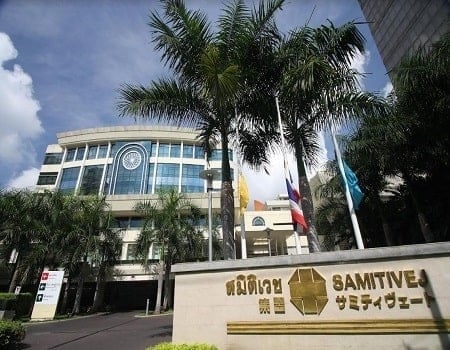
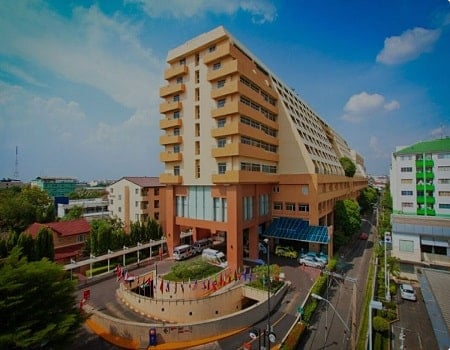
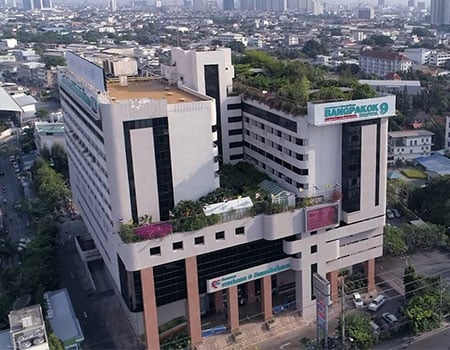
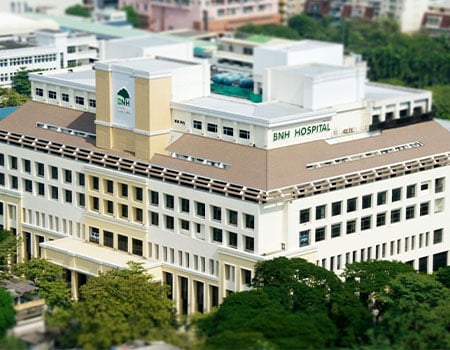
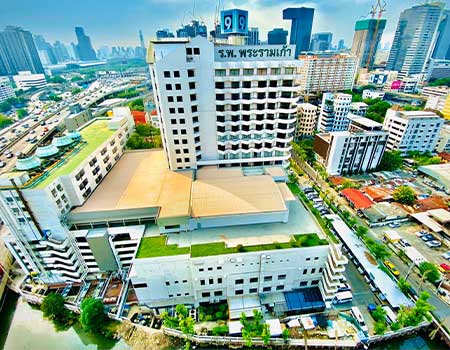
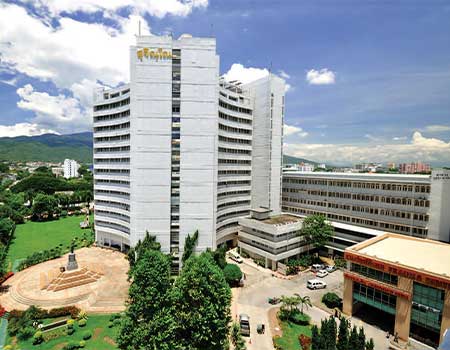
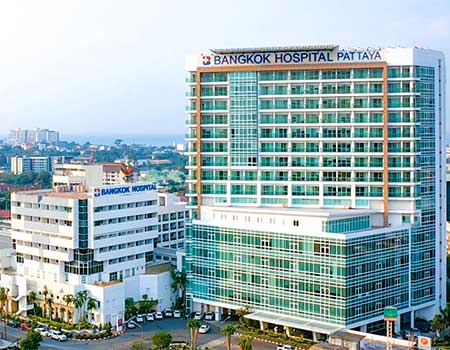
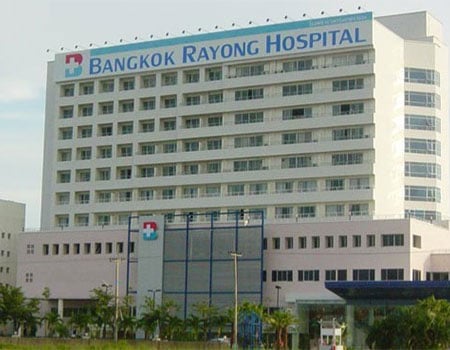
Recommended Hospitals for Cranioplasty







Frequently Asked Questions Related to Cranioplasty Cost
Certain tests are done before a cranioplasty, such as a CT scan, MRI, and evaluation of bone involvement. All these test costs are covered in the package.
Yes, the pharmacy and medicine cost is included in the package when the patient is hospitalized. If the patient purchases any medicines from outside the hospital, they have to pay for them separately.
Three types of implants are available: titanium, solid biomaterial, and synthetic bone substitute. The cost of implants varies significantly, and the price will increase if the shape is complex.
You need to spend 2 to 3 days in the hospital after the surgery. You will wake up in recovery and transfer to the neurosurgical intensive care unit after an hour. You will be continuously monitored for any signs of complications. You will get a repeat CT scan of your head when you recover. You can schedule appointments for one week and three to four weeks after surgery to have your sutures removed.
You can resume your normal activities 2 to 3 weeks after the surgery but make sure that your head should be protected from accidental impacts. Contact your surgeon if you experience swelling or infection in the wound and fluid leaking from the wound.
The procedure is covered by insurance but make sure to contact your insurance company to determine your coverage.
There is no alternative to cranioplasty because this surgery not only satisfies patients’ external defects but also improves patients’ functional outcomes.
 Chat
Chat