

What Is the Cost of a Cornea Transplant in India?
The cost of a cornea transplant in India typically ranges from $500 to $6,000 USD, depending on the hospital, city, and type of procedure.
A cornea transplant (keratoplasty) replaces damaged or diseased corneal tissue with healthy tissue from a deceased donor. The cost usually depends on:
- Type of graft: full-thickness or a partial-thickness graft of the front or back layers.
- Donor tissue: processing fees charged by the eye bank.
- Anaesthetic: local or general anaesthetic.
- Follow-up: eye drops and regular check-ups for many months.
Costs are usually quoted per eye. Ask whether the quote includes donor tissue and follow-up visits.
Why a Cornea Transplant Is Done
The NHS explains that a cornea transplant may be needed when the cornea is damaged or diseased, causing poor vision or pain. Common reasons include:
- Keratoconus: the cornea thins and changes shape.
- Corneal scarring: from infection or injury.
- Endothelial disease: such as Fuchs' dystrophy, where the inner layer stops working.
- Corneal ulcers: that do not heal with other treatment.
Our Services for CORNEA TRANSPLANT in India
Transparent, professional support—without the hassles.
Book Doctor Appointment
Choose a specialist and schedule a convenient consultation.
Video or In-person Consultation
Consult remotely or meet your doctor directly at the hospital.
Compare Cost Estimates
Review transparent estimates from suitable hospitals.
Hospitalisation Support
Get coordinated assistance throughout your hospital stay.
 WhatsApp Us
Types of Cornea Transplant
According to the NHS, the main types are:
- Penetrating keratoplasty: the full thickness of the cornea is replaced.
- Deep anterior lamellar keratoplasty (DALK): the front layers are replaced and the inner layer is kept.
- Endothelial keratoplasty: only the inner layer is replaced, as in DSEK or DMEK.
The NHS notes that the operation usually takes 1 to 2 hours, and most people go home the same day.
Cornea Transplant: Recovery and Risks
The NHS notes that recovery of vision can take up to about 6 months after an inner-layer transplant, up to 18 months after an outer or middle-layer transplant, and up to 2 years after a full-thickness transplant. Most people need about 2 weeks off work. Stitches may stay in for many months. Eye drops are used to reduce the risk of rejection.
Possible risks include:
- Rejection: the body may attack the donor tissue; early treatment can often reverse it.
- Infection: inside the eye.
- Raised eye pressure: which may lead to glaucoma.
- Astigmatism: an irregular curve that may need glasses or contact lenses.
Top Doctors in India
Recommended Doctors for CORNEA TRANSPLANT

Dr. Dharitri Samantaray
Senior Consultant
OphthalmologistBharti Eye Hospital, New Delhi











Top Hospitals in India
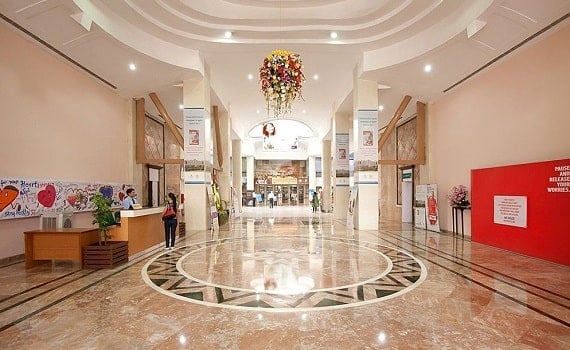
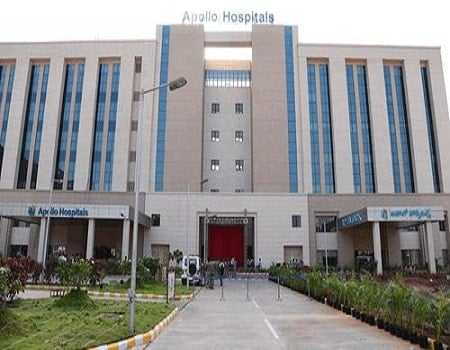
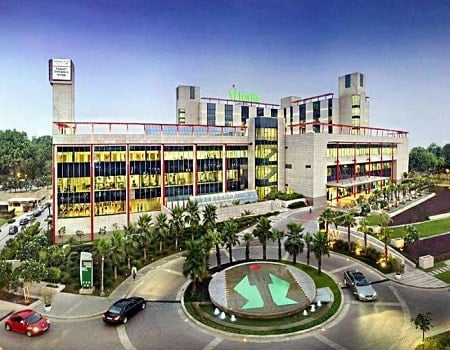
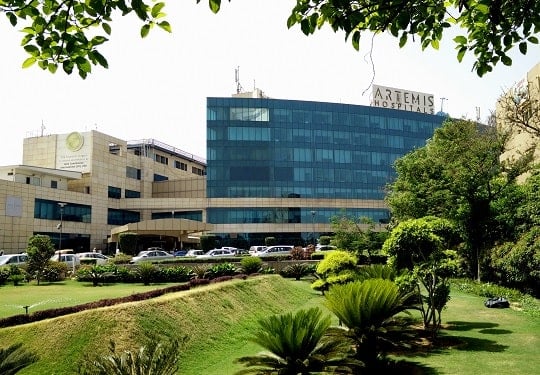
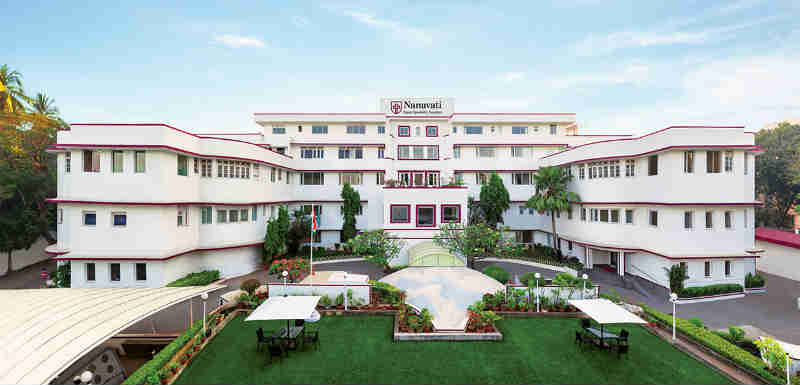
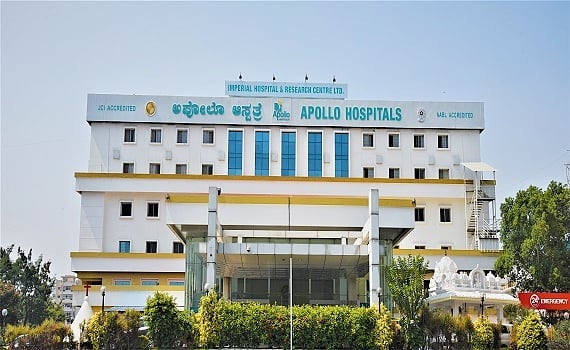
Recommended Hospitals for CORNEA TRANSPLANT



Frequently Asked Questions Related to CORNEA TRANSPLANT Cost in India
It is an operation to replace damaged or diseased corneal tissue with healthy tissue from a deceased donor.
It may be recommended for keratoconus, corneal scarring, Fuchs' dystrophy or corneal ulcers that do not respond to other treatment.
It can be done under local or general anaesthetic. Your surgeon will discuss the options with you.
Donor corneas come from people who have died and donated their eyes. The tissue is checked and stored by an eye bank.
The NHS says vision may take up to 6 months to recover after an inner-layer transplant and up to 2 years after a full-thickness transplant.
Yes. Rejection is a known risk. Signs include redness, light sensitivity, reduced vision and pain, and you should seek urgent advice if they occur.
The cost of a cornea transplant in India typically ranges from $500 to $6,000 USD, depending on the hospital, city, and type of procedure.
Many people still need glasses or contact lenses to get the clearest vision, often because of astigmatism.
A full-thickness transplant replaces all layers. Partial transplants replace only the damaged layers, and the NHS notes that vision usually recovers sooner after an inner-layer transplant.
Stitches may stay in place for many months and are removed gradually in clinic. Partial-thickness grafts of the inner layer may need few or no stitches.
 Chat