

What Is the Cost of Congenital Spinal Cord Malformations Treatment in India?
Congenital Spinal Cord Malformations treatment in India typically ranges from $500 to $6,000 USD, depending on the hospital, city, and type of procedure.
Congenital spinal cord malformations include spina bifida and related conditions such as a tethered spinal cord. Cost depends on:
- Type of malformation: open spina bifida, closed (occult) defects, or tethered cord.
- Imaging: spinal ultrasound in young babies, MRI in older children.
- Surgery: closure of an open defect or release (untethering) of a tethered cord.
- Long-term care: urology, orthopaedic and physiotherapy follow-up.
Complex untethering or repeat surgery can cost more than this range. Ask for a written estimate after the MRI has been reviewed.
Tethered Cord: Signs to Look For
The Sydney Children's Hospitals Network notes many children have no symptoms. When they appear, often during growth spurts, they can include:
- Skin markers on the lower back: a hairy patch, dimple or fatty lump.
- Back or leg pain: and difficulty walking.
- Leg weakness, numbness or foot shape changes
- Bladder or bowel incontinence
- Progressive scoliosis
Our Services for Congenital Spinal Cord Malformations Treatment in India
Transparent, professional support—without the hassles.
Book Doctor Appointment
Choose a specialist and schedule a convenient consultation.
Video or In-person Consultation
Consult remotely or meet your doctor directly at the hospital.
Compare Cost Estimates
Review transparent estimates from suitable hospitals.
Hospitalisation Support
Get coordinated assistance throughout your hospital stay.
 WhatsApp Us
Untethering Surgery
The same source explains the main treatment for symptomatic tethering is surgery to release the cord:
- Timing: decided by the neurosurgeon based on age, weight, scans and symptoms.
- Aim: to stop further damage; it cannot reverse damage already done.
- Risks: low, but include infection, bleeding, nerve function changes and spinal fluid leak.
- Retethering: about 10% to 20% of children may need another operation as they grow.
Coordinated Long-Term Care
- Early diagnosis: helps prevent long-term damage.
- Bladder and kidney checks: kidney ultrasound may be used to catch problems early.
- Physiotherapy: to track strength and movement.
- Hydrocephalus: children with open spina bifida may also need care for hydrocephalus.
- Time in India: about one to two weeks after untethering surgery.
Top Doctors in India
Recommended Doctors for Congenital Spinal Cord Malformations Treatment

Dr. Sajan K Hegde
Senior Consultant
Spine SurgeonApollo Hospitals, Greams Road, Chennai





Top Hospitals in India
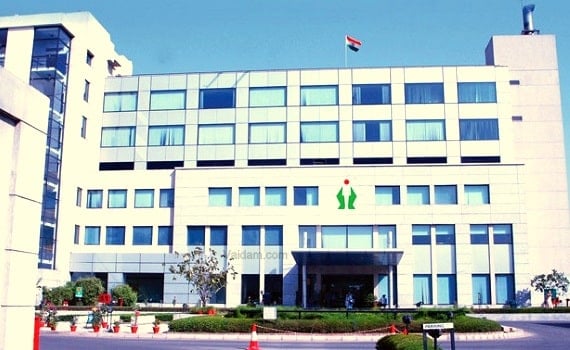
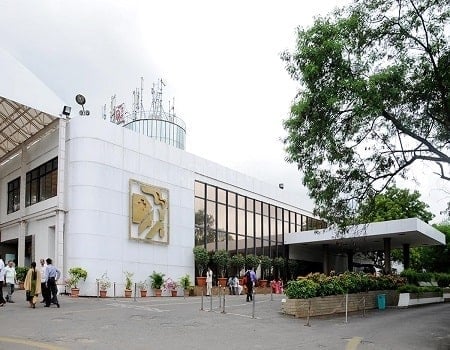
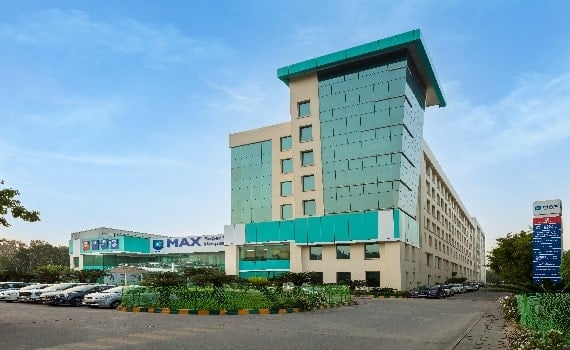
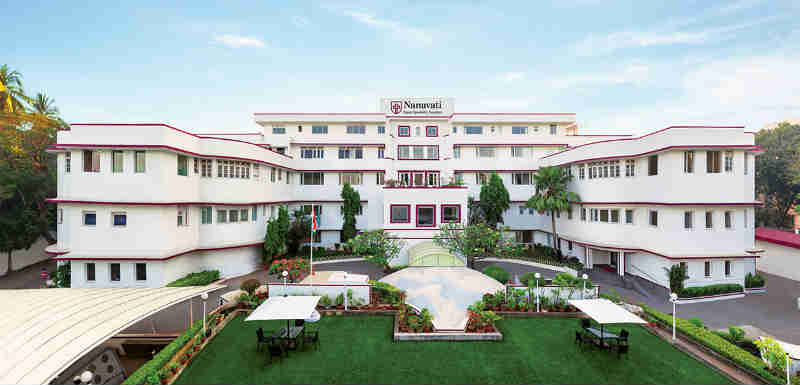
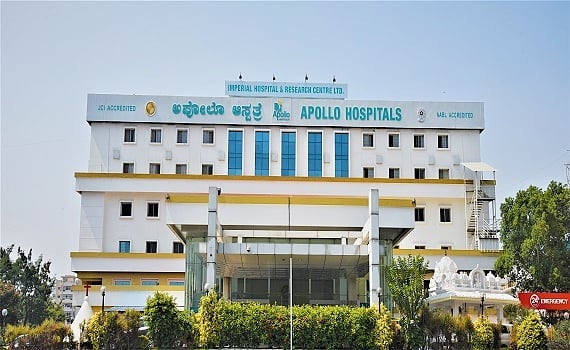
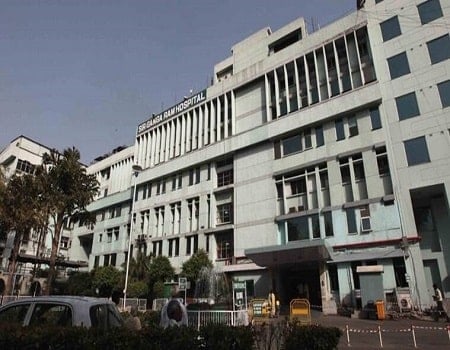
Recommended Hospitals for Congenital Spinal Cord Malformations Treatment
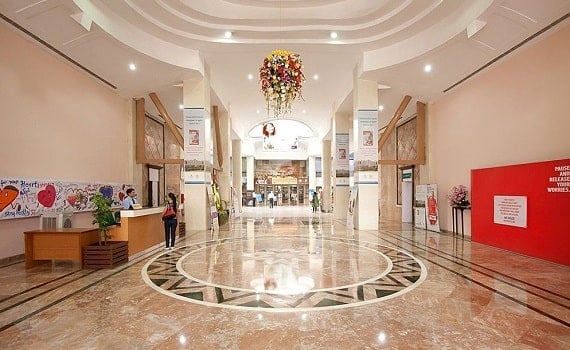


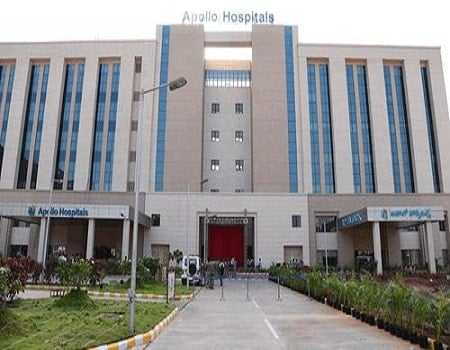
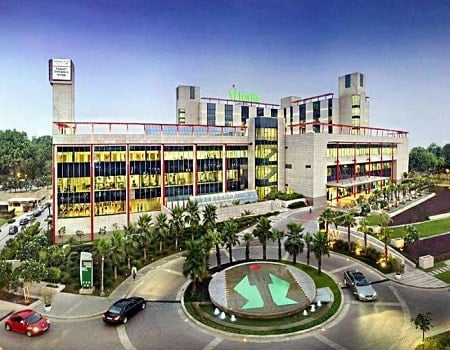
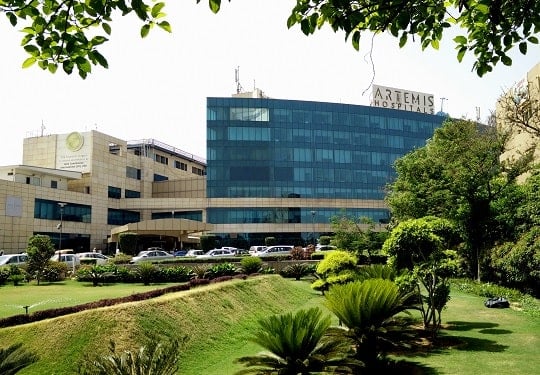



Frequently Asked Questions Related to Congenital Spinal Cord Malformations Treatment Cost in India
When the spinal cord is attached to tissue around the spine and cannot move freely as the child grows.
Yes, children with spina bifida are more likely to have tethering.
Back skin markers, back or leg pain, weakness, foot changes, scoliosis and bladder or bowel problems.
Ultrasound in babies under three months, MRI in older children.
No, surgery is usually for children with symptoms or worsening findings.
It aims to stop further damage; it cannot reverse damage already done.
Congenital Spinal Cord Malformations treatment in India typically ranges from $500 to $6,000 USD, depending on the hospital, city, and type of procedure.
Complex or repeat surgery costs more.
Yes, about 10% to 20% of children may need another operation.
A closed form of spina bifida, often with skin markers, which may hide a tethered cord.
A paediatric neurosurgeon, with urology and orthopaedic teams.
 Chat