

What Is the Cost of Congenital Pseudarthrosis of the Tibia (CPT) Surgery in India?
Congenital Pseudarthrosis of the Tibia (CPT) treatment in India typically ranges from $1,500 to $7,000 USD, depending on the hospital, city, and type of procedure.
CPT is one of the most difficult conditions in children's orthopaedics, and the cost reflects the technique and the likelihood of further surgery:
- Technique: pseudarthrosis excision with bone grafting and an intramedullary rod, with or without an Ilizarov frame; the cross-union technique; or a vascularised fibula graft.
- Implants: telescoping (growing) rods and circular frames add implant cost.
- Further procedures: hardware changes, regrafting or treatment of refracture are common over the years and are usually costed separately.
Ask the surgeon about their union and refracture rates with the chosen technique.
Understanding CPT
CPT is rare, occurring in roughly 1 in 60,000 to 1 in 250,000 births. Between 40% and 84% of affected children have neurofibromatosis type 1 (NF1). The tibia is bowed forward and outward in infancy, then breaks and fails to heal (pseudarthrosis).
- Signs: anterolateral bowing of the lower leg, often from birth; a fracture after minor trauma that does not unite.
- NF1 clues: café-au-lait spots and family history.
- Imaging: full-length X-rays; MRI to assess the abnormal tissue around the bone.
Our Services for Congenital Pseudarthrosis of the Tibia (CPT) Treatment in India
Transparent, professional support—without the hassles.
Book Doctor Appointment
Choose a specialist and schedule a convenient consultation.
Video or In-person Consultation
Consult remotely or meet your doctor directly at the hospital.
Compare Cost Estimates
Review transparent estimates from suitable hospitals.
Hospitalisation Support
Get coordinated assistance throughout your hospital stay.
 WhatsApp Us
How Surgeons Try to Achieve and Keep Union
A 2022 review reports union rates of 74–100% with combined techniques (rod plus fixation and grafting), but refracture rates of up to 45%. Key principles:
- Remove the abnormal tissue: the diseased bone and thickened periosteum are excised.
- Graft and stabilise: bone graft with an intramedullary rod, often combined with a frame or plate.
- Cross-union: joining the tibia and fibula into one bone mass; some series report union without refracture over several years.
- Keep the rod: retaining the rod may help prevent refracture.
Bracing, Follow-Up and Planning Your Stay
Union is not the end of treatment. Many surgeons keep the child in a protective brace until skeletal maturity to reduce the risk of refracture.
- Hospital stay: about one week after major reconstruction.
- Stay in India: several weeks for wound checks and, if a frame is used, supervision of the frame.
- Follow-up: X-rays every few months, then at least yearly until growth ends, watching for refracture, ankle valgus and leg-length difference.
Indian hospitals commonly advertise savings of 60% to 80% compared with the United States, UK, or private Middle Eastern centers. Treat that as a general comparison rather than a verified figure for this treatment, and compare itemised written quotes.
Top Doctors in India
Recommended Doctors for Congenital Pseudarthrosis of the Tibia (CPT) Treatment








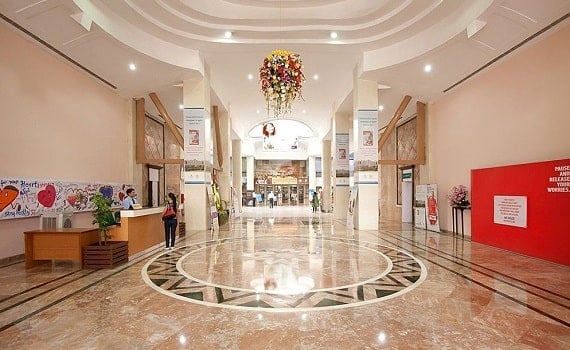
Top Hospitals in India
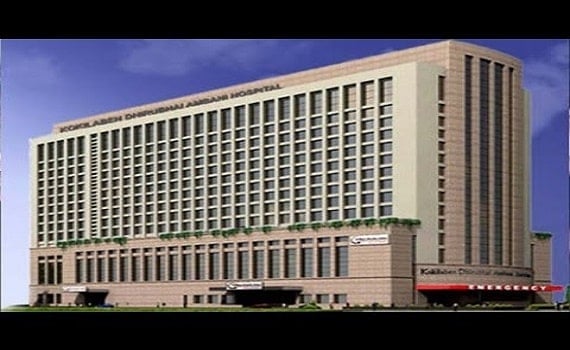
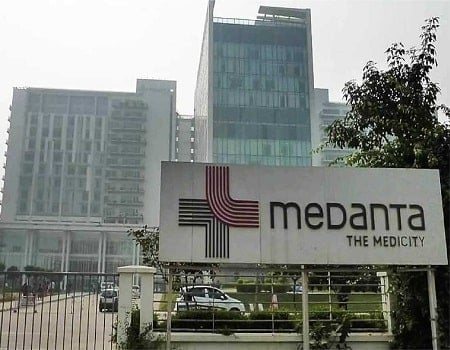
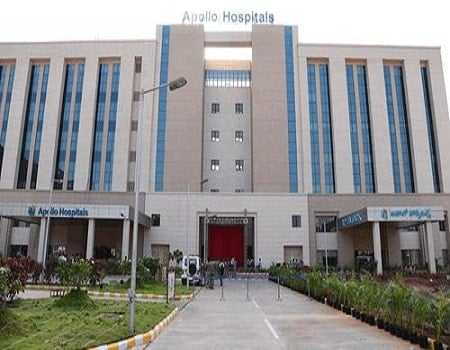
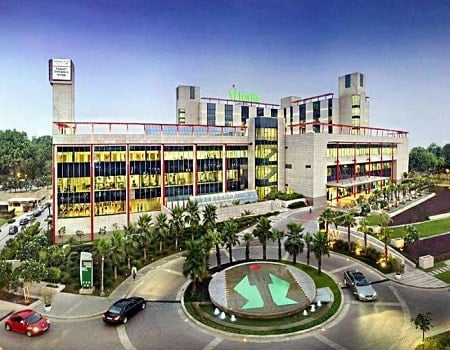
Recommended Hospitals for Congenital Pseudarthrosis of the Tibia (CPT) Treatment
Frequently Asked Questions Related to Congenital Pseudarthrosis of the Tibia (CPT) Treatment Cost in India
Many children achieve a healed tibia with modern surgery, but the bone remains prone to refracture until growth ends, so long-term bracing and follow-up are needed.
The exact cause is not fully understood. Many affected children have neurofibromatosis type 1, and abnormal tissue around the bone prevents normal healing.
Timing is individual. Some surgeons operate after a fracture occurs; others operate earlier using techniques such as cross-union. Bracing before fracture can delay it.
An operation that removes the abnormal tissue and creates a solid bony bridge between the tibia and fibula, stabilised with rods and a plate or frame, to make a stronger single bone.
No, but a large share do. Children with CPT should be checked for NF1 because it affects other organs and needs separate follow-up.
Often yes. Rod exchanges as the child grows, further grafting or treatment of refracture are common.
Congenital Pseudarthrosis of the Tibia (CPT) treatment in India typically ranges from $1,500 to $7,000 USD, depending on the hospital, city, and type of procedure.
Implants (growing rods, frames) and the likelihood of later procedures drive the total.
Several months in a frame or cast is typical, and full consolidation can take longer. Protective bracing usually continues for years.
Most children walk normally once healed, usually with a brace. High-impact sports are often limited until skeletal maturity to reduce refracture risk.
Rarely, after repeated failed reconstructions, a below-knee amputation with a prosthesis may give better function. It is a last resort.
 Chat