

What Is the Cost of Congenital Limb Defects Surgery in India?
Congenital Limb Defects treatment in India typically ranges from $1,500 to $7,000 USD, depending on the hospital, city, and type of procedure.
'Congenital limb defects' covers conditions as different as webbed fingers and a missing fibula, so the specific diagnosis determines the cost:
- Hand and finger differences: syndactyly release or extra-digit removal are relatively short operations, sometimes needing skin grafts.
- Longitudinal deficiencies: such as fibular hemimelia or radial club hand need staged reconstruction over childhood.
- Limb length difference: may be managed with a shoe lift, a growth-plate procedure on the longer leg, or limb lengthening with an external frame or an internal lengthening nail; internal nails and hexapod frames add considerable implant cost.
- Number of stages: many children need two or more operations as they grow.
Ask for the plan to be costed stage by stage, including implants and physiotherapy.
Matching Treatment to the Child's Age and Diagnosis
Paediatric orthopaedic surgeons plan treatment around growth. The predicted difference in limb length at skeletal maturity is often more important than the difference today.
- Under about 2 cm predicted difference: usually no surgery; a shoe lift if needed (AAOS).
- Moderate differences in growing children: epiphysiodesis (slowing growth of the longer leg) at the right age.
- Larger differences: lengthening, sometimes repeated, or in severe deficiencies, reconstruction combined with a prosthesis.
- Imaging: standing long-leg X-rays, and sometimes MRI or CT for joint and cartilage anatomy.
Our Services for Congenital Limb Defects Treatment in India
Transparent, professional support—without the hassles.
Book Doctor Appointment
Choose a specialist and schedule a convenient consultation.
Video or In-person Consultation
Consult remotely or meet your doctor directly at the hospital.
Compare Cost Estimates
Review transparent estimates from suitable hospitals.
Hospitalisation Support
Get coordinated assistance throughout your hospital stay.
 WhatsApp Us
What Limb Lengthening Involves
Lengthening uses the body's ability to make new bone in a gap that is widened slowly.
- Rate: about 1 mm per day.
- Time: AAOS notes an external frame stays on for roughly three months per inch (2.5 cm) gained, including healing time.
- Daily care: pin-site cleaning with a frame, physiotherapy to keep joints moving, and frequent X-rays.
- Common problems: pin-site infection, joint stiffness, and new bone that heals too fast or too slowly.
Planning Treatment From Abroad
Lengthening needs close supervision during the distraction phase, so families usually stay near the hospital for several weeks to months, or alternate visits with a local orthopaedic team that agrees to follow the plan.
- Short procedures: such as syndactyly release: about one to two weeks in India.
- Frame lengthening: plan for the distraction phase near the hospital; frame removal is a second procedure.
- Long-term follow-up: until growth ends, to time further stages correctly.
Indian hospitals commonly advertise savings of 60% to 80% compared with the United States, UK, or private Middle Eastern centers. Treat that as a general comparison rather than a verified figure for this treatment, and compare itemised written quotes.
Top Doctors in India
Recommended Doctors for Congenital Limb Defects Treatment















Top Hospitals in India
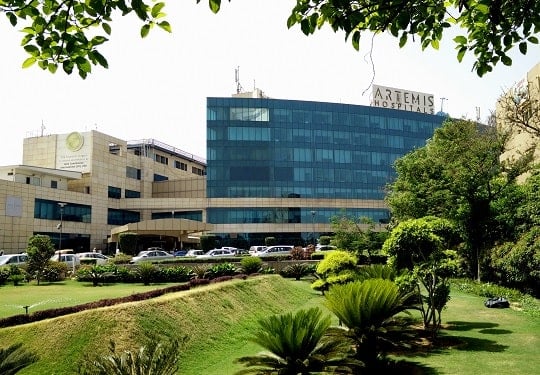
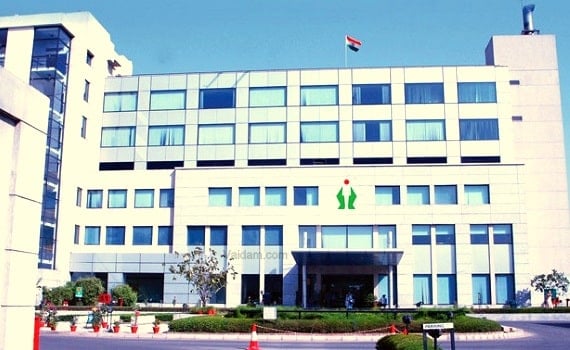
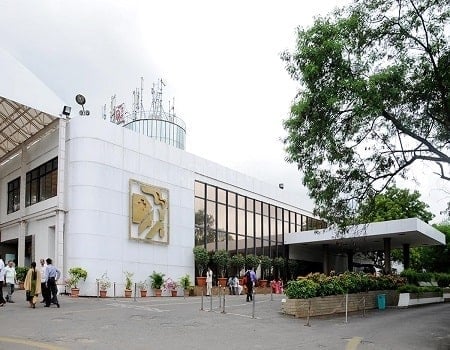
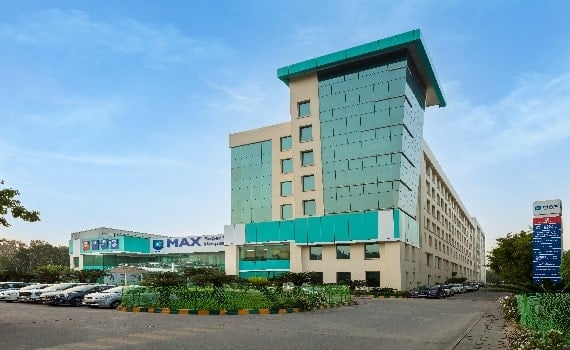
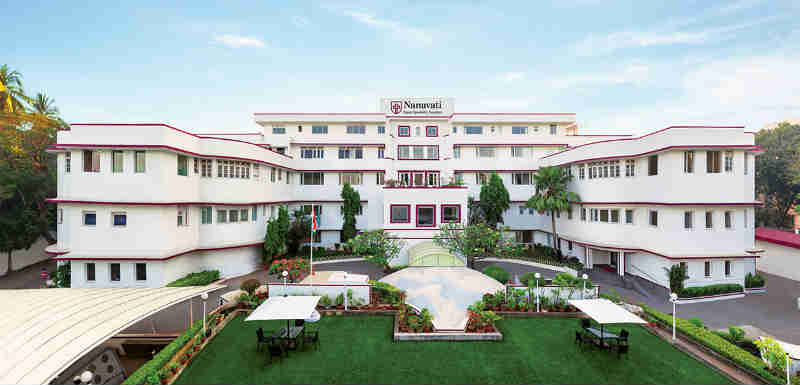
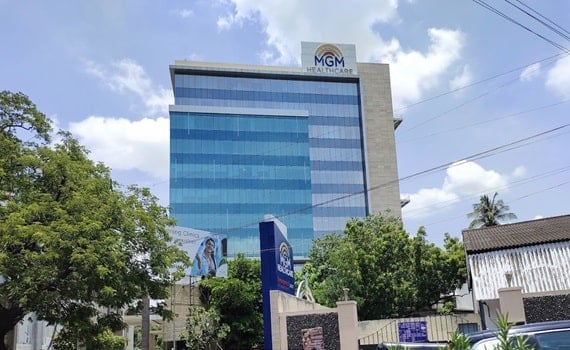
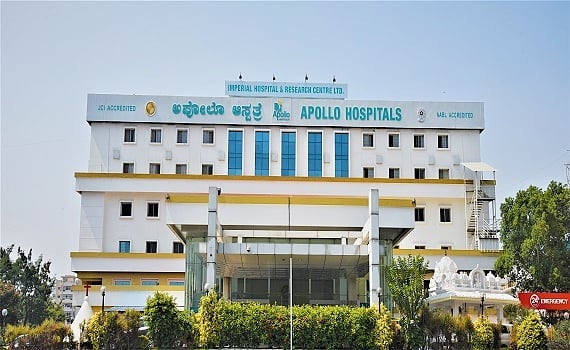
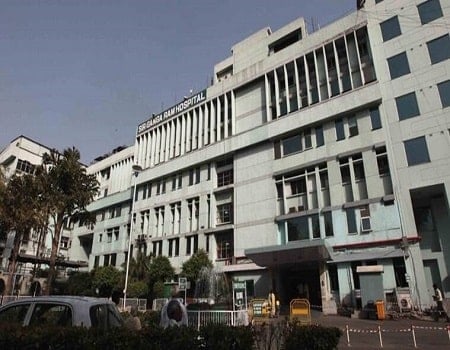
Recommended Hospitals for Congenital Limb Defects Treatment



Frequently Asked Questions Related to Congenital Limb Defects Treatment Cost in India
It depends on the method and the amount of lengthening. Internal lengthening nails cost more than external frames because of the implant. Ask for implant, surgery, frame removal and physiotherapy to be priced separately.
Experienced paediatric limb reconstruction centres in India perform these operations regularly. Choose a team that can show its experience with your child's specific condition and can supervise the lengthening phase closely.
It depends on the condition. Syndactyly is often released in the first years of life; lengthening and growth-plate procedures are timed according to predicted growth.
Often yes. Many congenital limb conditions are treated in stages through childhood, and lengthening may need to be repeated.
A condition in which the fibula (the thin lower-leg bone) is short or missing, often with a short leg and foot and ankle differences. Treatment ranges from lengthening and reconstruction to prosthetic fitting.
An external frame is attached through pins and wires and adjusted outside the leg. An internal nail lengthens inside the bone, avoiding pin-site infections, but is more expensive and not suitable for every child or bone.
Congenital Limb Defects treatment in India typically ranges from $1,500 to $7,000 USD, depending on the hospital, city, and type of procedure.
Implants used for lengthening and the number of planned stages are the main cost drivers.
There is discomfort, especially during stretching and physiotherapy. Pain is managed with medicines, and most children adapt to daily routines.
Pin-site infection, joint stiffness or partial dislocation, nerve irritation, and new bone that heals poorly or breaks after frame removal.
For some severe deficiencies, an early, well-fitted prosthesis gives better function with fewer operations. The choice should be discussed with a team experienced in both approaches.
 Chat