

What Is the Cost of Congenital Heart Disease (CHD) Treatment in the UAE?
The cost of Congenital Heart Disease (CHD) treatment in the UAE typically ranges from $2,000 to $18,000 USD, depending on the hospital, city, and type of procedure.
Congenital heart disease (CHD) is a heart problem present from birth, ranging from holes that may close on their own to complex conditions needing several operations. In the UAE, costs depend on:
- Type of heart condition: simple or complex.
- Tests: echocardiogram, ECG, MRI and catheter studies.
- Treatment: medicines, catheter procedures or surgery.
- Lifelong follow-up: including adult congenital heart care.
Complex congenital heart surgery often involves several operations, intensive care and long-term follow-up, so total costs can exceed this range. Ask what a quote includes.
Congenital Heart Disease: Types and Symptoms
The British Heart Foundation lists many types, including holes in the heart, tetralogy of Fallot, transposition of the great arteries, coarctation of the aorta and hypoplastic left heart syndrome. Many people need no treatment and live a normal life.
The NHS says babies may have trouble feeding, slow weight gain and swelling, and some symptoms appear only in later childhood or adulthood. Screening at the 20-week pregnancy scan can miss some conditions.
Our Services for Congenital Heart Disease (CHD) Treatment in United Arab Emirates
Transparent, professional support—without the hassles.
Book Doctor Appointment
Choose a specialist and schedule a convenient consultation.
Video or In-person Consultation
Consult remotely or meet your doctor directly at the hospital.
Compare Cost Estimates
Review transparent estimates from suitable hospitals.
Hospitalisation Support
Get coordinated assistance throughout your hospital stay.
 WhatsApp Us
Congenital Heart Disease: Treatment
Treatment depends on the type and severity and may include regular check-ups, medicines such as diuretics and ACE inhibitors, keyhole or open-heart surgery, and rarely a transplant. Some conditions can be treated before birth.
Lifelong check-ups help detect later complications such as heart failure, endocarditis and pulmonary hypertension, and patients move into adult congenital heart care as they grow.
Insurance Cover for Congenital Heart Disease Care
Children's care is planned by specialist paediatric teams, and cover depends on the child's insurance plan and its limits.
Some plans treat congenital conditions differently, so check the policy wording before planned heart procedures.
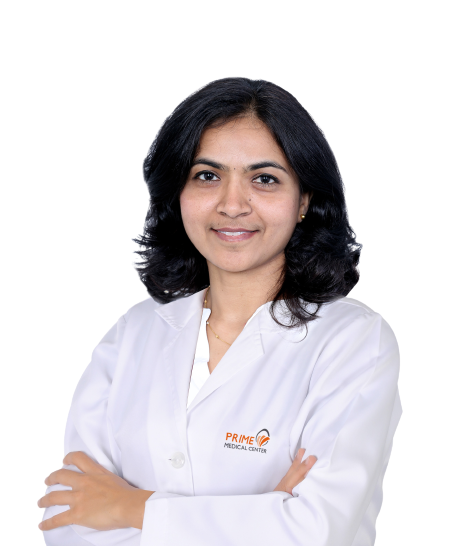
Top Doctors in United Arab Emirates
Recommended Doctors for Congenital Heart Disease (CHD) Treatment












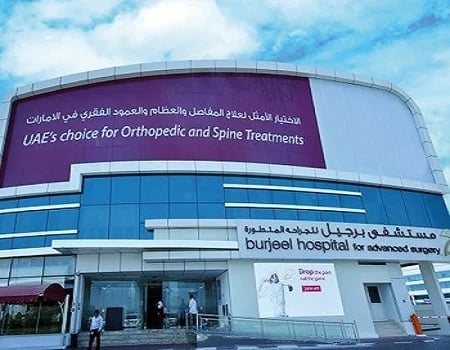
Top Hospitals in United Arab Emirates
Recommended Hospitals for Congenital Heart Disease (CHD) Treatment














Frequently Asked Questions Related to Congenital Heart Disease (CHD) Treatment Cost in United Arab Emirates
It is a heart problem present from birth, developing in the womb, that can affect how blood flows through the heart.
No, the British Heart Foundation says many people with congenital heart disease need no treatment and live a normal life.
Trouble feeding, slow weight gain, breathlessness, sweating and swelling are possible symptoms, according to the NHS.
Many conditions are found at the 20-week pregnancy scan, but the NHS notes that screening can miss some.
Pulse oximetry, ECG, chest X-ray, echocardiogram, MRI and sometimes catheter studies are used to diagnose congenital heart disease, according to the NHS.
Treatment may include monitoring, medicines, catheter procedures or keyhole or open-heart surgery, timed to the condition.
The cost of Congenital Heart Disease (CHD) treatment in the UAE typically ranges from $2,000 to $18,000 USD, depending on the hospital, city, and type of procedure.
Complications such as heart failure, endocarditis and pulmonary hypertension can develop with age, so regular checks continue.
The NHS advises women with congenital heart disease to tell their care team early in pregnancy so it can be planned and monitored safely.
Cover depends on the plan's terms, including rules on congenital conditions, and planned procedures need prior approval.
 Chat