

What Is the Cost of Chronic Kidney Disease Treatment in India?
Chronic Kidney Disease (CKD) treatment in India typically ranges from $500 to $6,000 USD, depending on the hospital, city, and type of procedure.
The cost of CKD care depends on the stage of the disease:
- Stages 1 to 4: regular nephrologist reviews, blood and urine tests, and medicines to control blood pressure, diabetes, anaemia and bone health; the aim is to slow progression.
- Kidney failure on dialysis: haemodialysis is usually needed two to three times a week and is billed per session; peritoneal dialysis is done at home with monthly fluid supplies.
- Kidney transplant: a separate, larger package covering donor and recipient evaluation, surgery and early immunosuppression; ask for it to be quoted on its own.
India's Pradhan Mantri National Dialysis Programme provides free dialysis to poor patients at district hospitals; private-centre prices vary by city.
Slowing CKD Before Dialysis Is Needed
NIDDK calls blood pressure control the most important step in managing CKD. Other measures that slow progression:
- ACE inhibitors or ARBs: may slow kidney damage even in people without high blood pressure.
- SGLT2 inhibitors: now widely used by nephrologists to slow CKD in people with and without diabetes.
- Diabetes control: for many people an HbA1c goal below 7%.
- Avoid kidney-harmful medicines: including pain relievers such as ibuprofen and naproxen.
- Diet: with a renal dietitian, especially for salt, potassium, phosphorus and protein.
Our Services for Chronic Kidney Disease (CKD) Treatment in India
Transparent, professional support—without the hassles.
Book Doctor Appointment
Choose a specialist and schedule a convenient consultation.
Video or In-person Consultation
Consult remotely or meet your doctor directly at the hospital.
Compare Cost Estimates
Review transparent estimates from suitable hospitals.
Hospitalisation Support
Get coordinated assistance throughout your hospital stay.
 WhatsApp Us
Choosing Between Haemodialysis, Peritoneal Dialysis and Transplant
When kidney function falls to the point of kidney failure, the options are:
- Haemodialysis: through an arteriovenous fistula, which should be created months before it is needed to allow it to mature.
- Peritoneal dialysis: done at home daily through a catheter in the abdomen; suits people who want independence from a dialysis centre.
- Kidney transplant: offers the best long-term survival and quality of life for suitable patients; in India most transplants use a living related donor, with legal approval required under the Transplantation of Human Organs Act.
- Conservative care: for some older or frail people, focused on symptoms without dialysis.
Planning Kidney Care From Abroad
A visit to India for CKD usually has one of three goals: a second opinion and treatment plan, fistula creation, or transplant evaluation.
- Second opinion: about one week for tests and a plan.
- Fistula surgery: a day procedure; it needs six to eight weeks to mature before use.
- Transplant: donor and recipient evaluation, approvals and surgery, then a stay of roughly two to three months for close monitoring.
- Records: bring previous creatinine results, ultrasound reports and a list of medicines.
Indian hospitals commonly advertise savings of 60% to 80% compared with the United States, UK, or private Middle Eastern centers. Treat that as a general comparison rather than a verified figure for this treatment, and compare itemised written quotes.
Top Doctors in India
Recommended Doctors for Chronic Kidney Disease (CKD) Treatment















Top Hospitals in India
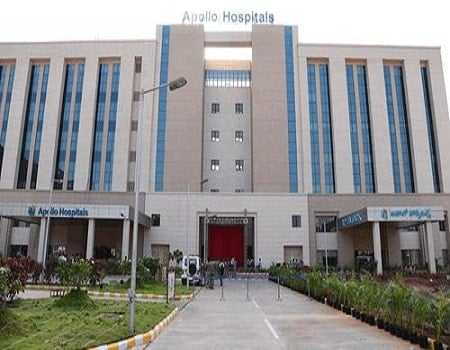
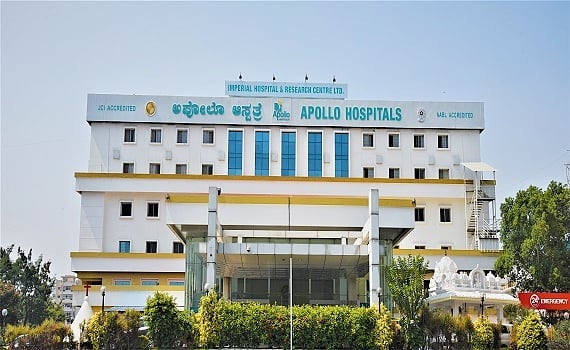
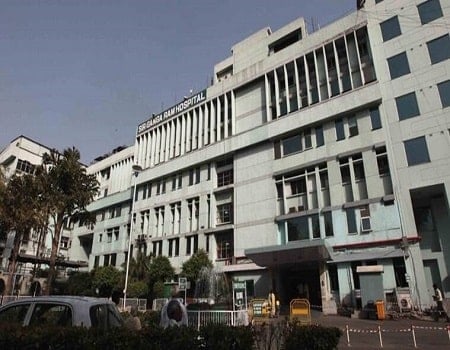
Recommended Hospitals for Chronic Kidney Disease (CKD) Treatment











Frequently Asked Questions Related to Chronic Kidney Disease (CKD) Treatment Cost in India
Many people with early CKD live full lives, especially when blood pressure and diabetes are well controlled. Even with kidney failure, dialysis or a transplant allow many people to work and travel.
Chronic kidney damage usually cannot be reversed, but its progression can often be slowed. A transplant replaces kidney function but needs lifelong medication.
It varies widely with age, other illnesses and how fast function is falling. Some people stay stable for years; others progress. Your nephrologist can estimate risk from your test trends.
There is no fixed timeline. Many people stay in stage 3 for years, particularly with good blood pressure and diabetes control and appropriate medicines.
Per-session haemodialysis costs add up over a month; peritoneal dialysis has ongoing fluid and supply costs. Total costs are comparable in many settings, and choice depends on lifestyle and medical suitability.
When kidney failure causes symptoms or dangerous blood changes that medicines cannot control, typically at very low kidney function. It is a clinical decision, not just a single number.
Chronic Kidney Disease (CKD) treatment in India typically ranges from $500 to $6,000 USD, depending on the hospital, city, and type of procedure.
Dialysis is usually billed per session; a kidney transplant is quoted as a separate package.
Yes. The Pradhan Mantri National Dialysis Programme provides free dialysis services, mainly for poor patients, at district hospitals.
Tiredness, swelling of feet and face, reduced appetite, nausea, itching, breathlessness and passing less urine. Early CKD usually has no symptoms.
Living donation is mainly by close relatives, with approval from an authorisation committee under Indian transplant law. Foreign nationals need documentation of the donor relationship.
 Chat