

What Is the Cost of Brain Aneurysm Treatment in India?
Cerebral or Brain Aneurysm treatment in India typically ranges from $6,000 to $12,000 USD, depending on the hospital, city, and type of procedure.
The single biggest factor is whether the aneurysm has ruptured:
- Unruptured aneurysm, planned treatment: a short stay for coiling or a few days for clipping; device choice (coils, stent-assisted coiling or flow diverter) drives the cost.
- Ruptured aneurysm: an emergency with treatment of the aneurysm plus often two to three weeks of neuro-intensive care to manage brain swelling, vasospasm and hydrocephalus.
- Device choice: flow diverters and stents cost considerably more than coils alone.
- Monitoring only: small, low-risk aneurysms may need only periodic imaging.
Ask for the device costs to be listed separately; they explain much of the variation between quotes.
Should an Unruptured Aneurysm Be Treated?
NINDS notes that most unruptured aneurysms cause no symptoms and that not all need treatment; very small ones may be monitored. The decision weighs:
- Growth: the biggest risk factor for rupture.
- Size and shape: larger and irregular aneurysms carry higher risk.
- Location: some positions are riskier than others.
- Personal factors: age, health, smoking, high blood pressure, previous bleed, and family history of rupture.
Scoring tools such as PHASES help estimate risk, but the final decision should involve both a neurosurgeon and a neurointerventionist.
Our Services for Cerebral or Brain Aneurysm Treatment in India
Transparent, professional support—without the hassles.
Book Doctor Appointment
Choose a specialist and schedule a convenient consultation.
Video or In-person Consultation
Consult remotely or meet your doctor directly at the hospital.
Compare Cost Estimates
Review transparent estimates from suitable hospitals.
Hospitalisation Support
Get coordinated assistance throughout your hospital stay.
 WhatsApp Us
Clipping, Coiling and Flow Diversion
Three main treatments are used:
- Microsurgical clipping: open surgery that places a metal clip across the aneurysm's neck; durable, with a longer recovery.
- Endovascular coiling: platinum coils are placed into the aneurysm through a catheter from the groin or wrist; quicker recovery, but some aneurysms need re-treatment.
- Flow diverter stent: a fine mesh tube redirects blood flow past the aneurysm; used for large or wide-necked aneurysms and requires antiplatelet medicines for months.
- Choice: depends on aneurysm shape, location, the patient's age and the team's experience.
Recovery After Planned vs Emergency Aneurysm Treatment
Recovery differs greatly between planned and emergency treatment.
- Planned coiling: often one to two nights in hospital and return to normal activities within one to two weeks.
- Planned clipping: several days in hospital and several weeks of recovery.
- After rupture: two to three weeks in hospital is common, followed by months of rehabilitation.
- Follow-up imaging: to check that the aneurysm remains closed, especially after coiling or flow diversion.
Indian hospitals commonly advertise savings of 60% to 80% compared with the United States, UK, or private Middle Eastern centers. Treat that as a general comparison rather than a verified figure for this treatment, and compare itemised written quotes.
Top Doctors in India
Recommended Doctors for Cerebral or Brain Aneurysm Treatment






Dr. Siddhartha Ghosh
Senior Consultant
NeurosurgeonApollo Proton Cancer Centre, Chennai









Top Hospitals in India
Recommended Hospitals for Cerebral or Brain Aneurysm Treatment


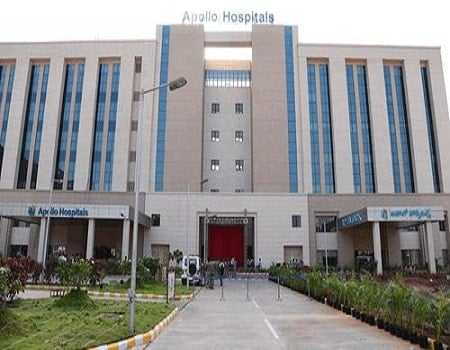
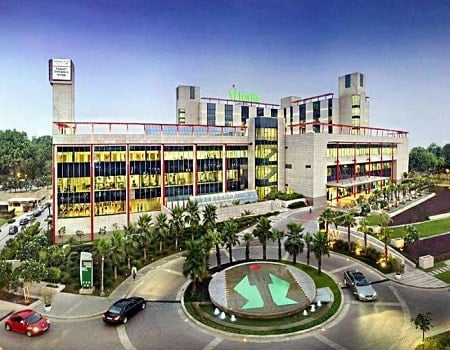
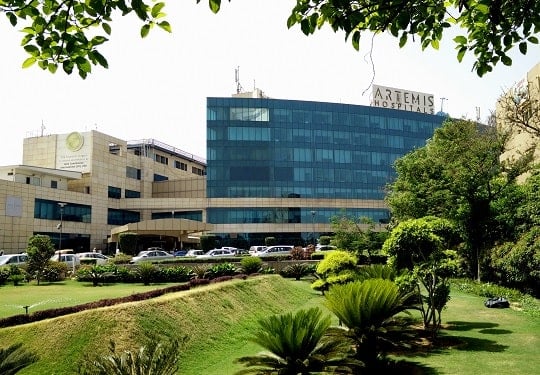
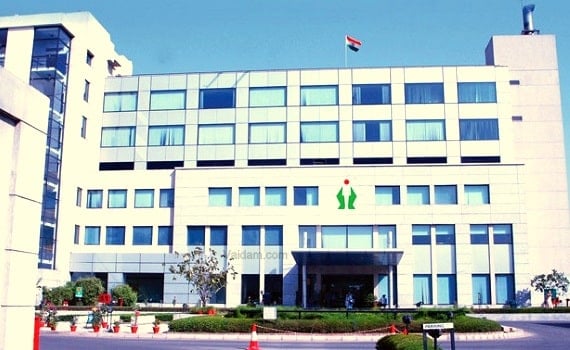

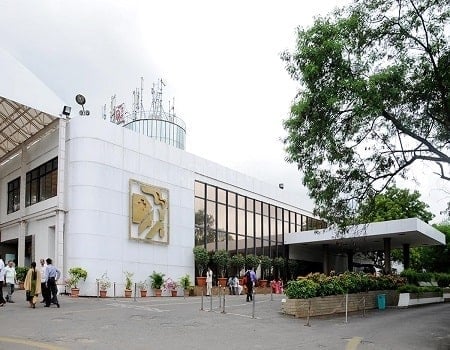
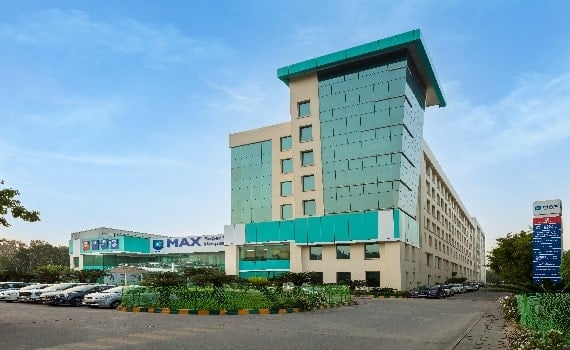
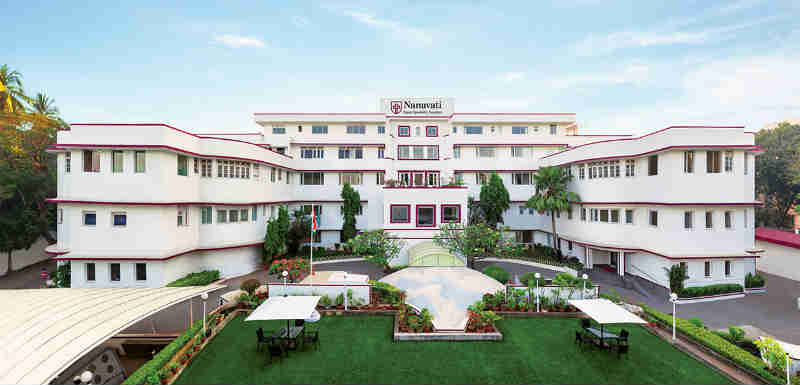

Frequently Asked Questions Related to Cerebral or Brain Aneurysm Treatment Cost in India
It depends on location, shape, growth and personal risk factors. Many 7 mm aneurysms are treated, but some are monitored. A specialist review using a risk score is the best guide.
All treatments carry risks, including stroke and bleeding, but for aneurysms with high rupture risk these are usually lower than the risk of rupture itself. Risks are lower in experienced centres.
Many people live a normal lifespan with a small unruptured aneurysm that never ruptures. Monitoring and controlling blood pressure and smoking reduce risk.
Aneurysms do not heal on their own. Small, low-risk ones may be monitored rather than treated.
A sudden, extremely severe headache, often described as the worst ever, with vomiting, stiff neck, sensitivity to light, seizure or loss of consciousness. It is an emergency.
Neither is best for every case. Coiling has a quicker recovery; clipping may be more durable for some aneurysms. The choice depends on aneurysm anatomy and patient factors.
Cerebral or Brain Aneurysm treatment in India typically ranges from $6,000 to $12,000 USD, depending on the hospital, city, and type of procedure.
Rupture with intensive care and the use of flow diverters push costs toward the upper end, so ask for an itemised estimate if either applies.
People with two or more first-degree relatives with aneurysms, and some people with polycystic kidney disease, may be offered screening.
Stopping smoking and controlling high blood pressure are the most important steps.
After uncomplicated coiling, many patients fly within one to two weeks; after clipping or rupture, longer. Your neurosurgeon will advise.
 Chat