

What Is the Cost of Castleman Disease Treatment in India?
Castleman Disease treatment in India typically ranges from $500 to $6,000 USD, depending on the hospital, city, and type of procedure.
Castleman disease is a rare disorder of the lymph nodes. It is not cancer, but some forms behave like a serious systemic illness. The type of Castleman disease decides the treatment and cost:
- Unicentric Castleman disease (UCD): involves one lymph node region and is usually treated by surgical removal.
- Idiopathic multicentric Castleman disease (iMCD): affects several lymph node regions and causes inflammatory symptoms; treated with medicines, often long term.
- HHV-8-associated multicentric Castleman disease: linked to human herpesvirus 8, often in people with HIV.
Long-term biologic medicines for multicentric disease can cost more than the range above; ask for an estimate per month of treatment.
Surgery for Unicentric Castleman Disease
According to the Castleman Disease Collaborative Network (CDCN), unicentric disease is usually managed by removing the affected lymph nodes.
- Complete removal: is often curative.
- When surgery is not possible: radiotherapy or medicines may be used.
- Hospital stay: depends on the location; neck or armpit nodes need a shorter stay than chest or abdominal nodes.
Our Services for Castleman Disease Treatment in India
Transparent, professional support—without the hassles.
Book Doctor Appointment
Choose a specialist and schedule a convenient consultation.
Video or In-person Consultation
Consult remotely or meet your doctor directly at the hospital.
Compare Cost Estimates
Review transparent estimates from suitable hospitals.
Hospitalisation Support
Get coordinated assistance throughout your hospital stay.
 WhatsApp Us
Medical Treatment for Multicentric Castleman Disease
The CDCN summarises the first international treatment guideline for iMCD:
- Siltuximab: an anti-IL-6 antibody recommended as first-line treatment.
- Tocilizumab: an IL-6 receptor blocker used as an alternative where siltuximab is not available.
- Chemotherapy: for severe disease that is not improving.
- HHV-8 MCD: treated differently, often with rituximab and HIV treatment where relevant.
Availability of specific biologics in India varies, so ask the treating haematologist which drug will be used and how it will be sourced.
Planning Castleman Disease Care in India
- Diagnosis: an excisional lymph node biopsy reviewed by an experienced pathologist is essential, as Castleman disease mimics lymphoma and other conditions.
- Tests: HHV-8 and HIV testing, inflammatory markers and PET-CT or CT scans.
- Surgery visit: around one to two weeks for UCD.
- Long-term care: iMCD treatment usually continues at home with regular infusions or injections.
Top Hospitals in India
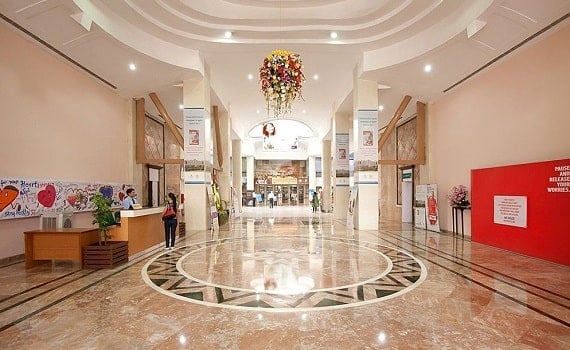
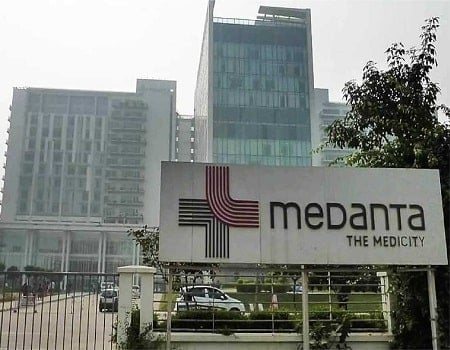
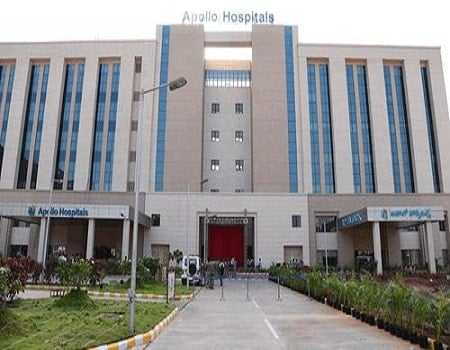
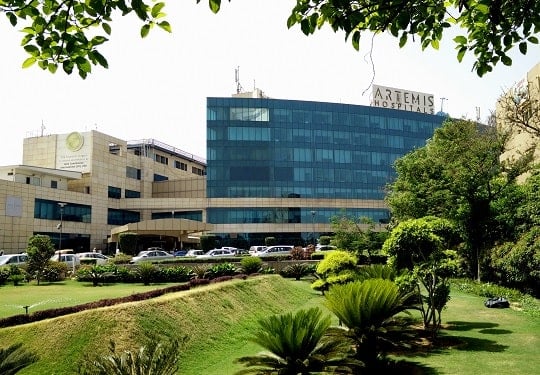
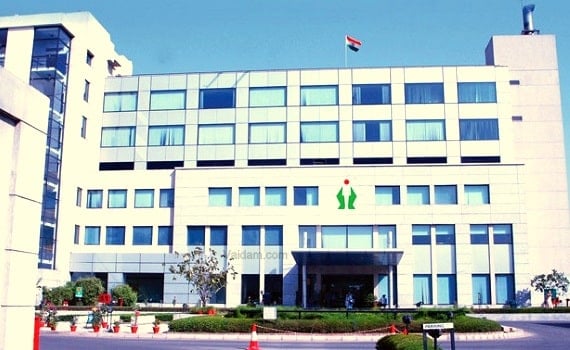
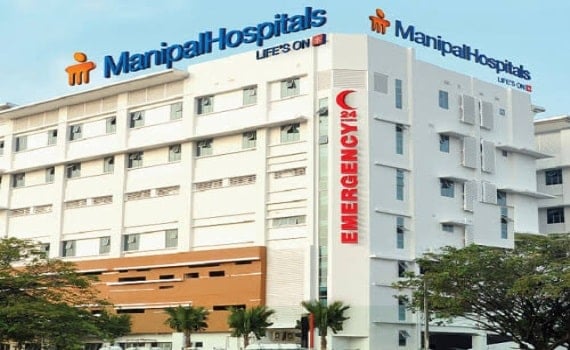
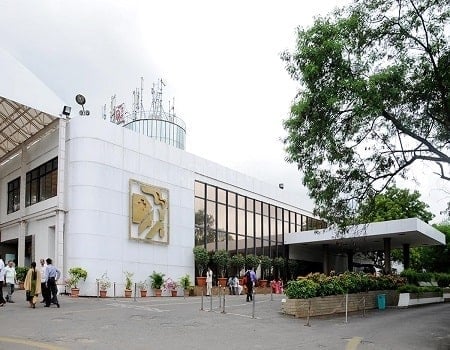
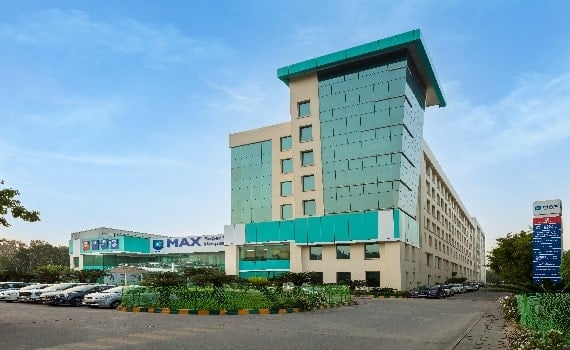
Recommended Hospitals for Castleman Disease Treatment


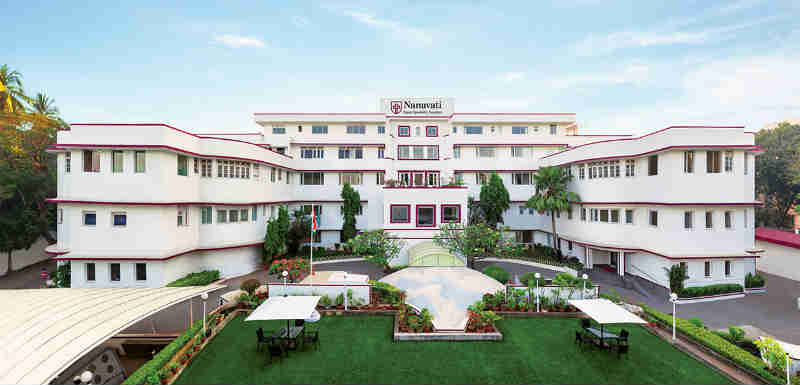
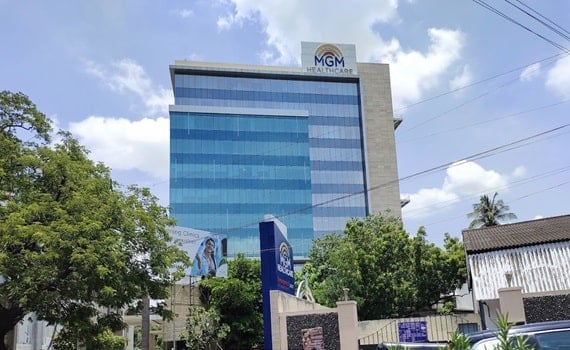

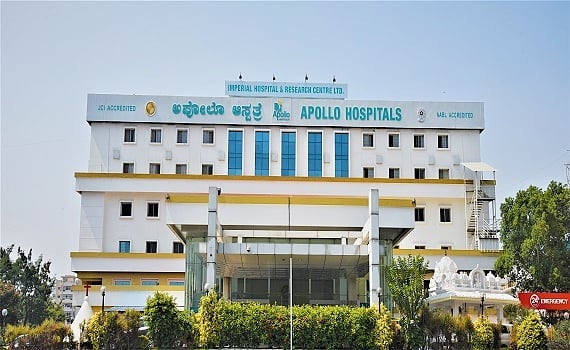
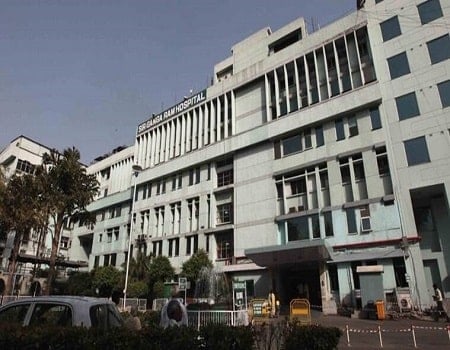
Frequently Asked Questions Related to Castleman Disease Treatment Cost in India
No. It is a rare lymph node disorder, but multicentric forms can be serious and increase lymphoma risk.
Unicentric disease is often cured by surgery. Multicentric disease usually needs long-term treatment to control it.
Unicentric involves one lymph node region; multicentric involves several and causes body-wide inflammatory symptoms.
An antibody that blocks interleukin-6 (IL-6) and is recommended as first-line treatment for idiopathic multicentric Castleman disease.
A haematologist, working with a surgeon for unicentric disease.
The cause of unicentric and idiopathic multicentric disease is unknown. HHV-8 causes one form, mainly in people with HIV or weakened immunity.
Castleman Disease treatment in India typically ranges from $500 to $6,000 USD, depending on the hospital, city, and type of procedure.
Long-term biologic medicines for multicentric disease can cost more.
Fever, night sweats, weight loss, fatigue, swollen lymph nodes, and sometimes fluid build-up and organ problems.
With a lymph node biopsy, along with blood tests and scans to rule out other conditions.
People with unicentric disease usually have a normal life expectancy after surgery. Outcomes in multicentric disease vary and have improved with modern treatment.
 Chat