

What Is the Cost of Carcinoid Tumour Treatment in India?
Carcinoid Tumors treatment in India typically ranges from $3,000 to $15,000 USD, depending on the hospital, city, and type of procedure.
Carcinoid tumours are now called well-differentiated neuroendocrine tumours (NETs). Costs vary more by tumour site and spread than by hospital:
- Small localised tumours: endoscopic removal (stomach, rectum) or limited surgery (appendix) can be a modest one-off cost.
- Small-bowel tumours: surgery to remove the tumour and the lymph nodes in the bowel's mesentery.
- Spread to the liver: long-term monthly somatostatin analogue injections, PRRT (lutetium-177 dotatate, usually four cycles), liver surgery or embolisation; costs recur over months or years.
For long-term therapy, ask for the price per injection or per PRRT cycle rather than a single package figure.
Tests That Define the Treatment Plan
Two features from the pathology and scans drive almost every decision:
- Grade (Ki-67 index): low-grade tumours grow slowly and are often managed for years; higher-grade tumours may need chemotherapy.
- Somatostatin receptor status: a Gallium-68 DOTATATE PET-CT shows whether the tumour can be targeted by somatostatin analogues and PRRT.
- Hormone markers: 24-hour urine 5-HIAA confirms carcinoid syndrome; chromogranin A is used for monitoring.
- Heart check: an echocardiogram if carcinoid syndrome is present, because hormones can damage heart valves.
Our Services for Carcinoid Tumors Treatment in India
Transparent, professional support—without the hassles.
Book Doctor Appointment
Choose a specialist and schedule a convenient consultation.
Video or In-person Consultation
Consult remotely or meet your doctor directly at the hospital.
Compare Cost Estimates
Review transparent estimates from suitable hospitals.
Hospitalisation Support
Get coordinated assistance throughout your hospital stay.
 WhatsApp Us
Carcinoid Syndrome and How It Is Controlled
Carcinoid syndrome usually develops when a tumour has spread to the liver, allowing its hormones to reach the bloodstream.
- Symptoms: facial flushing, diarrhoea, abdominal cramps, wheezing and a fast heartbeat.
- Treatment: octreotide or lanreotide injections reduce hormone release and may also slow tumour growth.
- Surgery precautions: patients with the syndrome are given octreotide around anaesthesia to prevent a carcinoid crisis.
- Heart disease: valve damage may eventually need valve replacement.
Planning Treatment and Long-Term Follow-Up
Neuroendocrine tumours often grow slowly, so treatment is a long-term plan rather than a single trip.
- Surgery: about one week in hospital and one to two weeks nearby before flying.
- PRRT: each cycle needs a short admission with radiation precautions; cycles are usually about eight weeks apart, so some patients travel for each cycle.
- Follow-up: scans and markers every three to twelve months depending on grade, often for many years.
Indian hospitals commonly advertise savings of 60% to 80% compared with the United States, UK, or private Middle Eastern centers. Treat that as a general comparison rather than a verified figure for this treatment, and compare itemised written quotes.
Top Hospitals in India
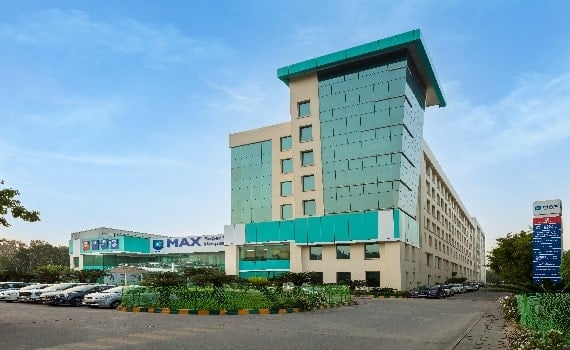
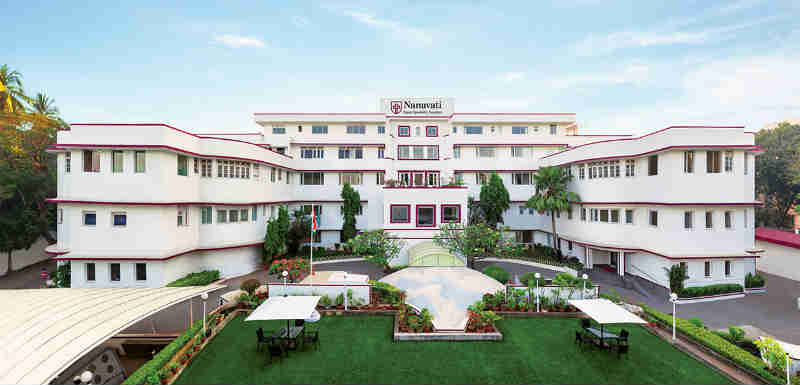
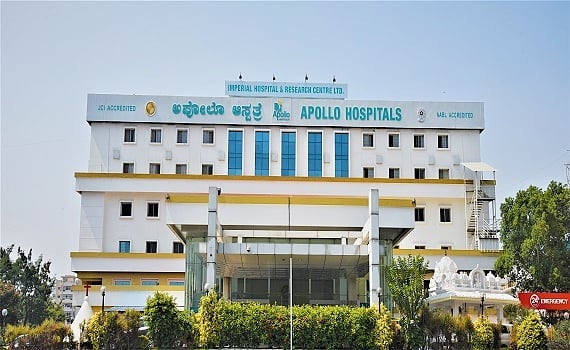
Recommended Hospitals for Carcinoid Tumors Treatment
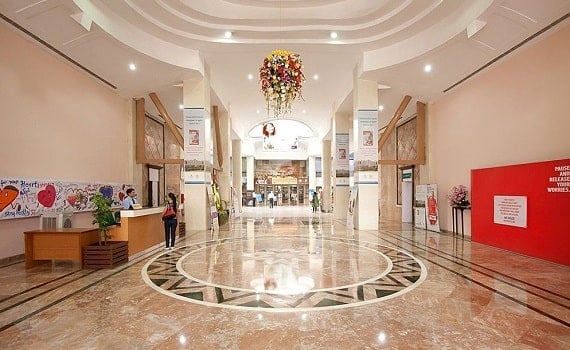

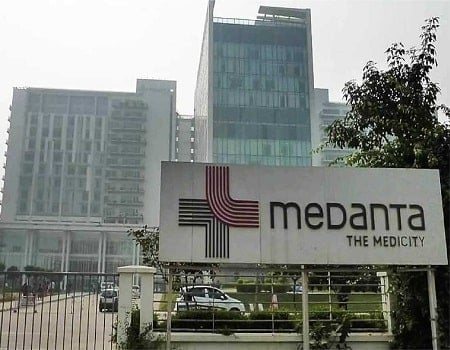
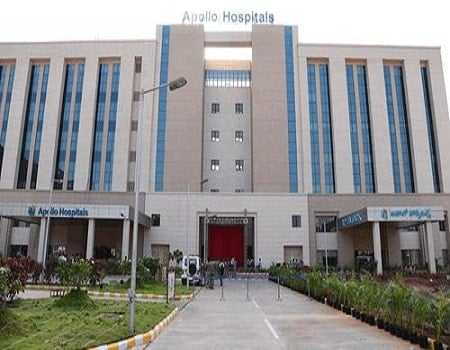
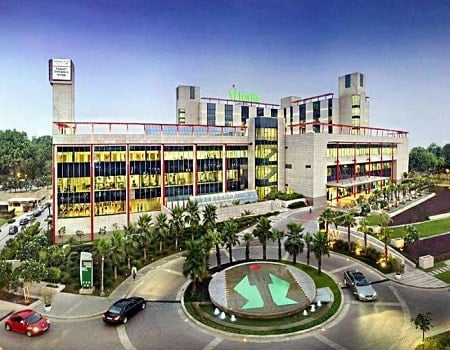

Frequently Asked Questions Related to Carcinoid Tumors Treatment Cost in India
Many people with well-differentiated neuroendocrine tumours live for many years, even with liver spread, because the tumours often grow slowly. Outlook depends on grade, site and extent.
Long-acting octreotide or lanreotide, given every four weeks. It controls hormone symptoms and can slow tumour growth in somatostatin-receptor-positive tumours.
Chemotherapy is mainly used for higher-grade or fast-growing tumours and pancreatic NETs. Low-grade carcinoid tumours respond poorly to chemotherapy, so surgery, somatostatin analogues and PRRT are used more.
Peptide receptor radionuclide therapy delivers radiation directly to tumour cells that carry somatostatin receptors, using lutetium-177 dotatate. It is usually given as four infusions about eight weeks apart.
Most often in the small intestine, appendix and rectum, and also in the stomach, colon and lungs. The site affects symptoms, treatment and outlook.
Many cause no symptoms and are found incidentally. Others cause abdominal pain or bowel obstruction. Carcinoid syndrome (flushing, diarrhoea, wheezing) usually means liver spread.
Carcinoid Tumors treatment in India typically ranges from $3,000 to $15,000 USD, depending on the hospital, city, and type of procedure.
Ongoing injections or PRRT cycles are the main reason costs extend beyond the initial treatment.
A sudden drop or rise in blood pressure, flushing and breathing difficulty triggered by hormone release during surgery or procedures. It is prevented with octreotide given before and during the procedure.
It is the most accurate scan for finding well-differentiated NETs and for deciding whether PRRT is an option. It is generally recommended before major treatment decisions.
Yes. Long-term high serotonin levels can thicken heart valves on the right side of the heart. Regular echocardiograms are advised for people with carcinoid syndrome.
 Chat