

What Is the Cost of Adult CNS Tumor Treatment in India?
Adult CNS Tumors treatment in India typically ranges from $3,000 to $15,000 USD, depending on the hospital, city, and type of procedure.
Central nervous system (CNS) tumours include tumours of the brain and spinal cord. For adults, treatment is usually planned by a tumour board including neurosurgery, radiation oncology, medical oncology and neuropathology. Costs depend on:
- Diagnosis: MRI, sometimes PET, and a biopsy with molecular testing.
- Main treatment: surgery, radiotherapy, chemotherapy or a combination.
- Duration of treatment: from a single operation for a benign tumour to many months of combined therapy for a high-grade glioma.
- Supportive care and follow-up: steroids, anti-seizure medicines, rehabilitation and MRI surveillance.
Main Types of Adult Brain and Spinal Cord Tumours
The NCI lists many adult CNS tumour types. Those most often treated include:
- Gliomas: astrocytoma, oligodendroglioma and glioblastoma, graded 1 to 4.
- Meningiomas: usually benign tumours of the brain coverings.
- Pituitary tumours: which may affect hormones and vision.
- Primary CNS lymphoma: treated mainly with chemotherapy rather than surgery.
- Spinal cord tumours: such as ependymomas and schwannomas.
- Brain metastases: spread from cancers elsewhere, which are more common than primary brain tumours.
Our Services for Adult CNS Tumors Treatment in India
Transparent, professional support—without the hassles.
Book Doctor Appointment
Choose a specialist and schedule a convenient consultation.
Video or In-person Consultation
Consult remotely or meet your doctor directly at the hospital.
Compare Cost Estimates
Review transparent estimates from suitable hospitals.
Hospitalisation Support
Get coordinated assistance throughout your hospital stay.
 WhatsApp Us
Why Molecular Diagnosis Changes the Treatment Plan
Since the 2021 WHO classification, adult CNS tumours are diagnosed using both microscope appearance and genetic markers. Markers commonly tested include:
- IDH mutation: separates IDH-mutant astrocytomas and oligodendrogliomas from IDH-wildtype glioblastoma.
- 1p/19q codeletion: defines oligodendroglioma, which tends to respond well to treatment.
- MGMT promoter methylation: predicts response to temozolomide.
Because these results guide radiotherapy and chemotherapy choices, ask where the tissue will be tested and how long results take.
Coordinating Multidisciplinary CNS Tumour Care
- Tumour board review: ask whether your case will be discussed by a multidisciplinary team before treatment.
- Second opinion on pathology: possible by sending biopsy slides and blocks before you travel.
- Treatment at home: radiotherapy and oral chemotherapy can sometimes continue in your home country with a clear written plan.
- Rehabilitation: physiotherapy, speech and occupational therapy help recovery after surgery.
Top Hospitals in India
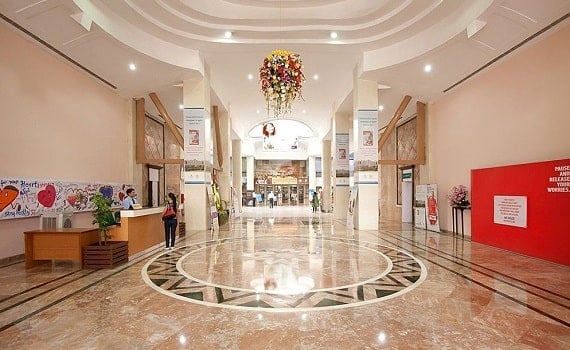
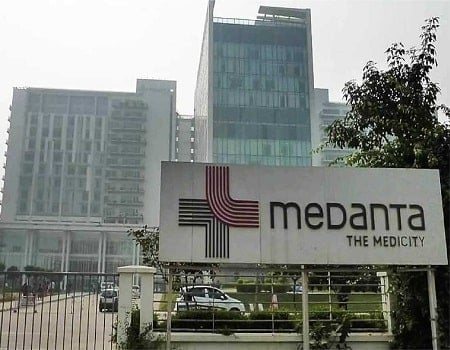
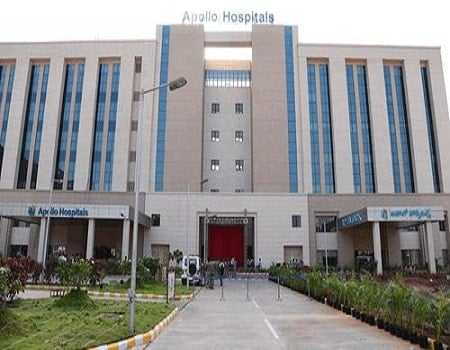
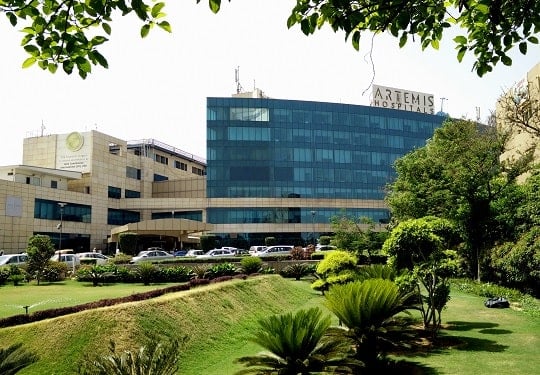
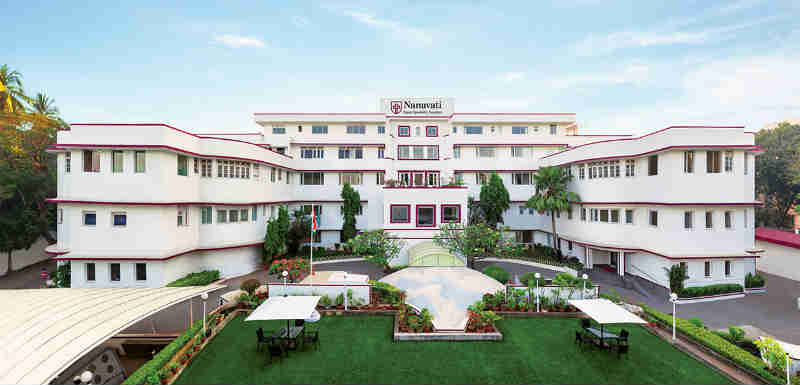
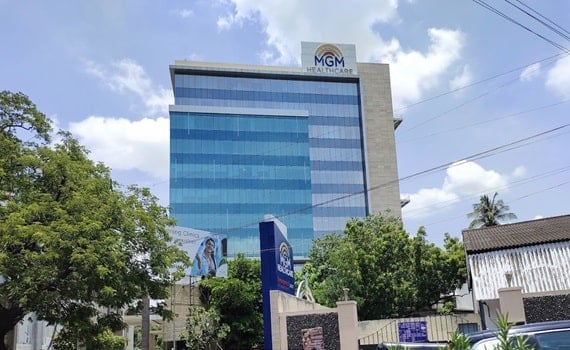
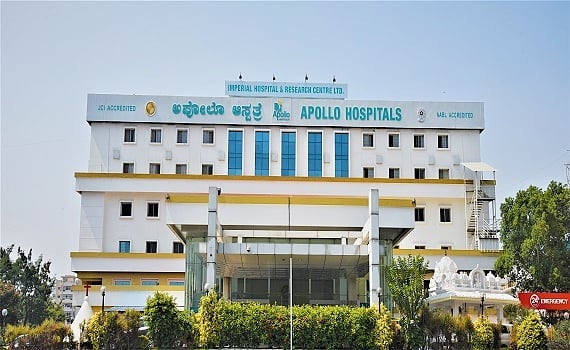
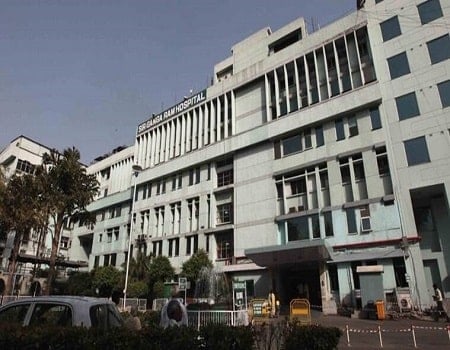
Recommended Hospitals for Adult CNS Tumors Treatment



Frequently Asked Questions Related to Adult CNS Tumors Treatment Cost in India
A tumour in the brain or spinal cord. It may start there (primary) or spread from cancer elsewhere (metastatic).
Meningioma is the most common primary brain tumour in adults, and glioblastoma is the most common malignant one.
Using the WHO system from grade 1 (slow-growing) to grade 4 (most aggressive), based on both microscope findings and molecular markers.
A glioma with a mutation in the IDH gene. These tumours generally grow more slowly and have a better outlook than IDH-wildtype glioblastoma.
Yes, for many gliomas and for primary CNS lymphoma. Drugs such as temozolomide or PCV are common.
Many can, especially schwannomas, meningiomas and some ependymomas. The goal is to remove the tumour while preserving nerve function.
Adult CNS Tumors treatment in India typically ranges from $3,000 to $15,000 USD, depending on the hospital, city, and type of procedure.
Costs rise when surgery, radiotherapy and chemotherapy are all needed.
A lymphoma that starts in the brain, spinal cord or eyes. It is treated mainly with high-dose methotrexate-based chemotherapy, not surgery.
Most do not, but some inherited syndromes increase the risk.
Usually every few months at first, then less often, depending on the tumour type and grade.
 Chat