

What is the Cost of BMT in Turkey?
A bone marrow transplant (BMT) or stem cell transplant, is a treatment approach offering a potential treatment for various haematological disorders including blood cancers and disorders.
The average cost of bone marrow transplant in Turkey ranges from USD 40,000 to USD 70,000.
The BMT package includes transplant costs, specialist fees, diagnostic tests and lab studies, BMT unit charges, blood transfusion, hospital stay for 30 days along with bone marrow collection from both patient and donor and its transfer.
The cost of BMT depends on various factors, including the type of transplant, the complexity of the procedure, and other routine medications and consumables, etc.
What is a Bone Marrow Transplant (BMT)?
Bone marrow, a soft and spongy tissue found inside bones and is the primary site where the body's blood cells develop and are stored.
Stem cells are the blood cells that generate blood cells. However, due to some genetic changes, these cells start producing defective blood cells. Since blood plays a key role in transporting oxygen, removing toxins, and maintaining overall body function, the production of defective blood cells can disrupt these vital processes. To treat this, bone marrow transplant (BMT) is performed.
BMT (stem cell transplant), is a medical procedure to replace diseased bone marrow cells with healthy ones. The healthy cells which are used to replace diseased cells can either be collected from the patient's own body or from a healthy donor.
BMT is used to treat conditions where functioning of blood is compromised, some of which are:
Leukaemia
Lymphoma
Multiple myeloma
Immune deficiency disorders
Sickle cell disease
Early detection through awareness of signs and symptoms is crucial for better outcomes. With continued medical support and exploring available treatments like induction chemotherapy and second BMT, patients can fight relapse and pursue a positive prognosis.
Our Services for Bone Marrow Transplant in Turkey
Transparent, professional support—without the hassles.
Book Doctor Appointment
Choose a specialist and schedule a convenient consultation.
Video or In-person Consultation
Consult remotely or meet your doctor directly at the hospital.
Compare Cost Estimates
Review transparent estimates from suitable hospitals.
Hospitalisation Support
Get coordinated assistance throughout your hospital stay.
 WhatsApp Us
What are the Different Types of BMT?
Based on the type of donor for BMT, the BMT can be categorised into:
Autologous BMT
In this procedure,through a process known as apheresis, stem cells are taken from the patient's own body. Then, the patients are treated using chemotherapy or radiation therapy. After this, the stem cells are placed back into the patient's body.
Allogeneic BMT
In this procedure, cells are extracted from another person (donor). There are two categories of BMT donors:
Related donor: This refers to a stem cell donor who is genetically related to the patient, such as their sibling. However, parents and children can also be donors for BMT, but the chance of a complete match is lower.
Matched Unrelated Donor (MUD): This refers to a stem cell donor who is not genetically related to the patient but has a close enough match in Human Leukocyte Antigen (HLA).
What are the Factors Affecting the Cost of BMT in Turkey?
Before undergoing treatment, it is essential for patients to have a clear understanding of the cost of a bone marrow transplant (BMT) in Turkey. This ensures that they properly plan their financial aspects and avoid unexpected expenses that could arise during the treatment process.
BMT price in Turkey may vary depending on various factors, some of which are listed below:
Type of transplant
The cost of bone marrow transplant in Turkey varies with complexity of each procedure
Autologous transplants, where the patient's own stem cells are used, generally cost less since they don't require a donor match or the associated donor testing. While, in allogeneic transplants, due to donor compatibility testing, potential international donor searches, and the need for immunosuppressive drugs post-transplant have higher cost.
Type of BMT | Average Cost in USD |
|---|---|
Autologous BMT | 40,000 |
Allogeneic BMT | 70,000 |
Hospital facilities
The quality and facilities available at the bone marrow transplant hospital in Turkey where the procedure is being performed may affect the cost. Hospitals with advanced technology, experienced medical professionals, and specialised BMT units may charge more.
Age of the patient
Patients younger than 20 or small children need additional medical attention that may lead to additional cost. They need supervision of experts specialised in paediatrics, the consultation of whom typically incur higher costs.
Hospital stay
Patients typically spend several weeks (3-4) in the hospital after the transplant. The duration may vary based on the type of transplant, complications, and how well the patient is recovering, which may add to the total cost.
These are some of the factors which patients and their families should keep in mind when they’re considering bone marrow transplant in Turkey.
Pre and Post Expenses in BMT Procedure in Turkey
Some of the expenses associated with BMT, both before and after the procedure are listed below:
Pre-BMT Expenses (Bone marrow biopsy, Chemotherapy sessions, bone marrow aspiration, HLA typing and other diagnostic tests): USD 3000 and USD 4000
Post-BMT Expenses per month (Follow-up consultations, blood tests, KFT, LFT, CRP and other diagnostic tests): USD 1500 and USD 2000
What is involved in the Recovery Process after the BMT Procedure?
One should remember that recovery after a BMT is a gradual process and it differs from patient to patient depending on the type of transplant (autologous or allogeneic), the patient's overall health, and any complications that arise during or post surgery. The recovery process involves the following:
Thorough health monitoring
During the hospital stay, patients are closely monitored for any signs of infection, graft-versus-host disease (GVHD), and other possible complications such as organ damage that are very common and need to be managed immediately.
Immune system recovery
After bone marrow transplant, it’s essential to strengthen the immune system once the patient returns to their country. This restoration of the immune system may require several months to years, during which time patients are more prone to bacterial and viral infections.
Regular Intake of Prescribed Medications
Patients are prescribed to take immunosuppressants along with other medications to prevent graft versus host Disease (GVHD) and other complications.
Healthy Diet
A healthy diet is essential for patients undergoing immune system recovery, and hence, patients must focus on consuming nutritious foods that are easy to digest, such as to mitigate the severity of side effects and support the recovery process.
Follow-up Appointments
Patients should have regular follow-up appointments to discuss any concerns or side effects they're experiencing and receive support during their recovery journey.
Top Doctors in Turkey
Recommended Doctors for Bone Marrow Transplant




Top Hospitals in Turkey
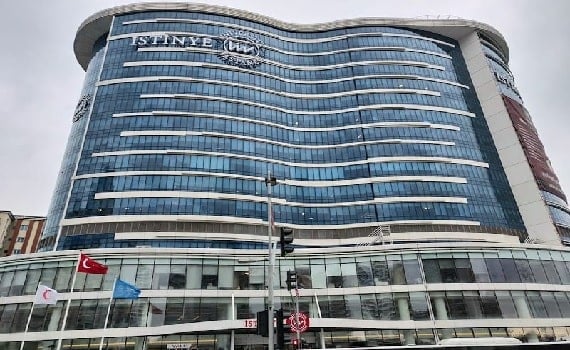
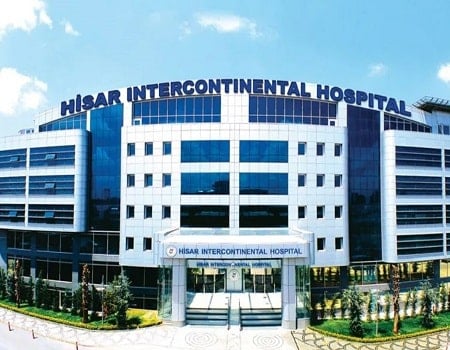
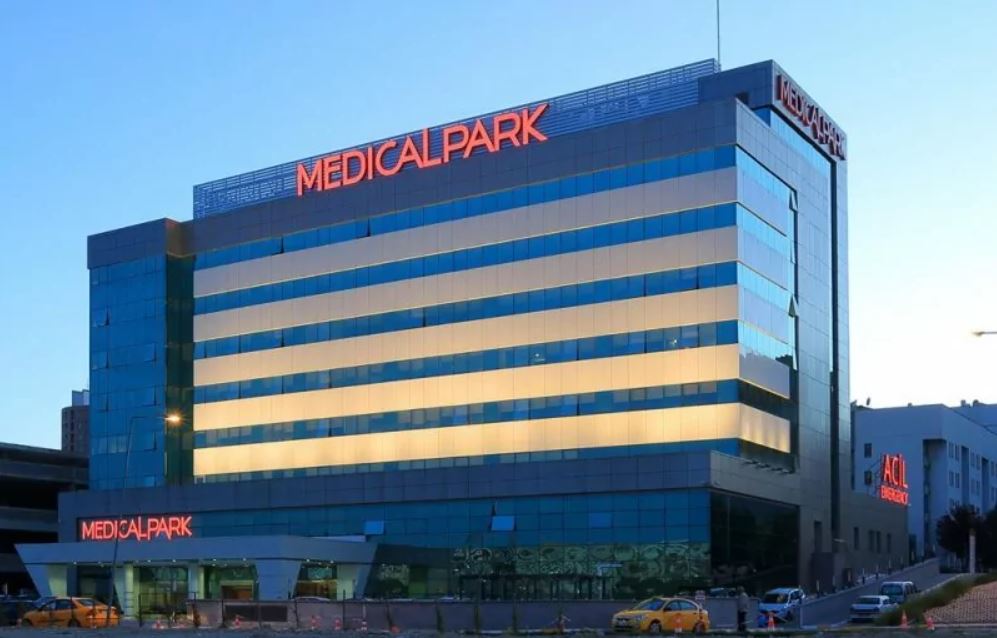
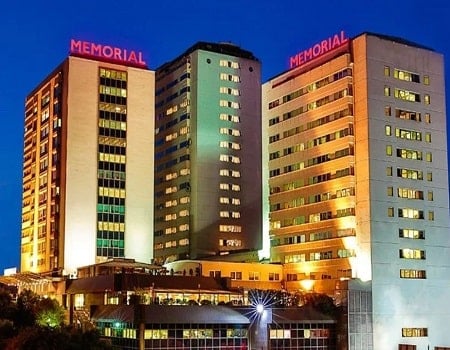
Recommended Hospitals for Bone Marrow Transplant







Frequently Asked Questions Related to Bone Marrow Transplant Cost
Certain tests are required before a bone marrow transplant, such as a chest X-ray, blood tests, cardiac scan, PET scan, and a bone marrow biopsy. After determining the types of bone marrow cells you require, the doctor will determine which bone marrow test procedure to go for. The cost of the procedure can vary depending on the individual situation.
The pharmacy and medicine costs are included in the package when the patient is hospitalized. If any medicines are taken from outside the hospital, it is not covered in the package. It is an expensive procedure because it involves high-dose treatment. The medicine's cost also depends on the type on types of transplant and the location of where you are getting the transplant.
Generally, it takes around three months to recover from a bone marrow transplant, and the patient should stay 30-60 days in the hospital. The stay duration can be more or less depending on the patient's situation. After that, you have to visit the transplant center daily for several weeks, and various factors determine how long your recovery takes, such as your condition, a good donor match, chemotherapy, and radiation.
Your complete recovery might take a year when you are discharged from the hospital. You can resume your daily activities 3 months after the procedure. After the transplant, the risk of infection is very high, and you are more susceptible to bacteria and viruses during the first 6 weeks after the transplant. Antibiotics are suggested to reduce the risks of infection. You should immediately visit your doctor if you feel high temperature, unusual pain or swelling in the body, and blurred vision.
Bone marrow transplant is covered by insurance, but different insurers have different policies. It is better to ask your healthcare provider if your bone marrow transplant will be covered.
Umbilical cord blood is an alternative to transplantation of bone marrow and is effective in treating bone marrow failure syndromes and blood & immune disorders.
 Chat
Chat