

What Is the Cost of Bone Marrow Cancer Treatment in Germany?
The cost of Bone Marrow Cancer treatment in Germany typically ranges from $18,000 to $70,000 USD, depending on the hospital, city, and type of procedure.
Bone marrow cancer is a general term for cancers that start in the bone marrow, mainly leukaemia and multiple myeloma. Treatment depends on the exact type. In Germany, the total depends on:
- Type of cancer: for example AML, ALL or myeloma.
- Chemotherapy: often intensive and in hospital.
- Targeted drugs and immunotherapy: for some types.
- Stem cell transplant: for suitable patients.
Cancer treatment costs depend on the stage and the treatments needed. A full course of care can cost more than this range, so ask what each estimate includes. 'Bone marrow cancer' covers several diseases, so ask for an estimate based on the confirmed diagnosis.
Leukaemia as Bone Marrow Cancer
The NHS explains that acute myeloid leukaemia treatment usually starts a few days after diagnosis, with intensive chemotherapy in hospital for fitter patients and gentler outpatient treatment for others. A transplant may be offered if the risk of relapse is high.
Acute lymphoblastic leukaemia is also treated quickly, mainly with combination chemotherapy, and targeted medicines and immunotherapy are used for some types or if it returns.
Our Services for Bone Marrow Cancer Treatment in Germany
Transparent, professional support—without the hassles.
Book Doctor Appointment
Choose a specialist and schedule a convenient consultation.
Video or In-person Consultation
Consult remotely or meet your doctor directly at the hospital.
Compare Cost Estimates
Review transparent estimates from suitable hospitals.
Hospitalisation Support
Get coordinated assistance throughout your hospital stay.
 WhatsApp Us
Myeloma as Bone Marrow Cancer
The US National Cancer Institute explains that myeloma affects plasma cells in the marrow and can damage bones and kidneys. Treatment often combines medicines such as bortezomib, lenalidomide, daratumumab and dexamethasone, followed in suitable patients by high-dose chemotherapy with a stem cell transplant.
Separate pages cover acute myeloid leukaemia, acute lymphoblastic leukaemia and multiple myeloma in more detail.
Bone Marrow Cancer Treatment in Germany
Treatment for marrow cancers usually happens in phases with long hospital stays, so German hospitals estimate each phase separately. International patients are usually treated in Germany as self-paying patients: the hospital reviews the medical reports, sends a cost estimate and asks for an advance payment before admission, then settles the final bill after discharge.
Top Hospitals in Germany
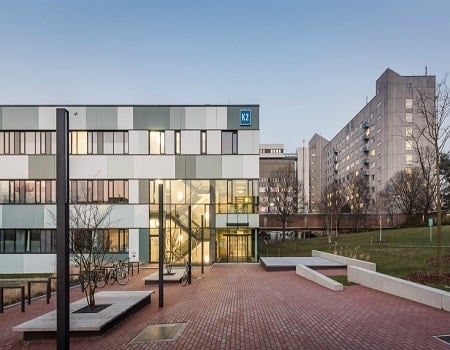
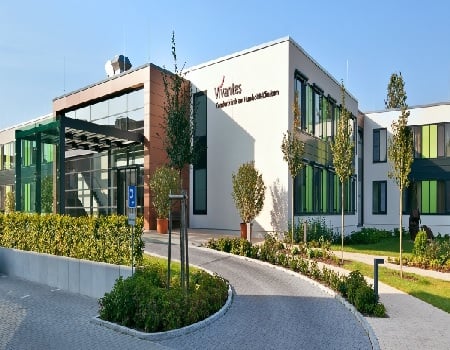
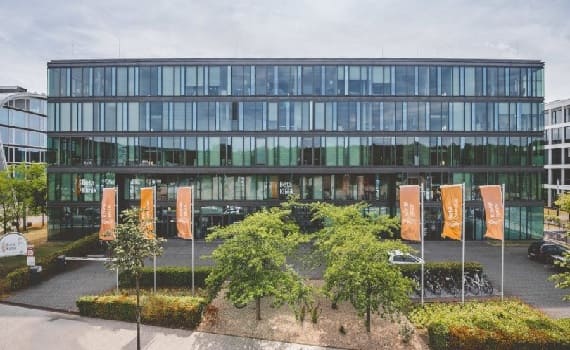
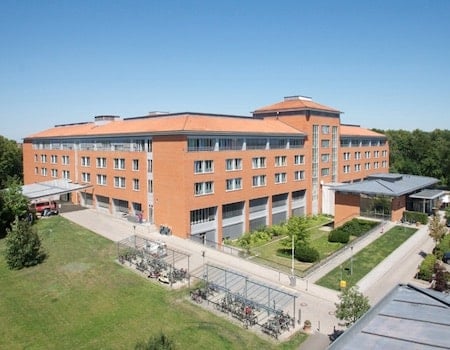
Recommended Hospitals for Bone Marrow Cancer Treatment











Frequently Asked Questions Related to Bone Marrow Cancer Treatment Cost in Germany
Bone marrow cancer is a general term for cancers that start in the bone marrow. The main types are leukaemia and multiple myeloma.
No, bone marrow cancers start in the blood-forming marrow, while primary bone cancer starts in the bone tissue itself. They are treated differently.
AML usually needs intensive chemotherapy in hospital, starting within days of diagnosis. A transplant may follow if the risk of relapse is high.
ALL is treated quickly, mainly with combination chemotherapy. Targeted medicines and immunotherapy are used for some types.
Myeloma cells in the bone marrow can weaken bones and produce a protein that damages the kidneys. This can cause bone pain, fractures and infections.
Myeloma treatment often combines medicines such as bortezomib, lenalidomide, daratumumab and dexamethasone. Suitable patients may then have a stem cell transplant.
The cost of Bone Marrow Cancer treatment in Germany typically ranges from $18,000 to $70,000 USD, depending on the hospital, city, and type of procedure.
A transplant is used for some people with leukaemia or myeloma. It depends on the type, the risk of relapse and fitness.
Leukaemia and myeloma are treated very differently, with different lengths of stay and medicines. The estimate can only be accurate once the type is known.
Send blood test results, bone marrow biopsy reports and any genetic test results. These show the exact diagnosis and help the team plan treatment.
 Chat