

What Is the Cost of Blood Clot in the Brain Surgery in India?
Blood Clot Brain treatment in India typically ranges from $6,000 to $14,000 USD, depending on the hospital, city, and type of procedure.
'Blood clot in the brain' can mean different conditions. This page covers surgery for a collection of blood on or in the brain (a haematoma), usually after a head injury or in people on blood thinners. Cost depends on:
- Type of haematoma and operation: burr-hole drainage for a chronic subdural haematoma is shorter and less costly than an emergency craniotomy for an acute subdural, extradural or intracerebral bleed.
- Intensive care: days on a neuro-intensive care unit are the biggest variable.
- Additional procedures: middle meningeal artery embolisation to reduce recurrence of chronic subdural haematoma, or a skull bone flap replacement later.
- Rehabilitation: physiotherapy, speech and occupational therapy after discharge.
Which Condition Do You Mean?
People searching for 'blood clot in brain' may be dealing with one of three different problems, each treated differently:
- Haematoma (bleeding): blood collecting between the skull and brain (subdural or extradural) or inside the brain; may need surgery to remove it. This page.
- Ischaemic stroke: a clot blocking an artery; treated urgently with clot-busting drugs or mechanical thrombectomy through a catheter, not open surgery.
- Cerebral venous thrombosis: a clot in the brain's veins; usually treated with blood thinners.
- Ruptured aneurysm: bleeding around the brain from a weak artery; see the cerebral aneurysm page.
Our Services for Blood Clot Brain Treatment in India
Transparent, professional support—without the hassles.
Book Doctor Appointment
Choose a specialist and schedule a convenient consultation.
Video or In-person Consultation
Consult remotely or meet your doctor directly at the hospital.
Compare Cost Estimates
Review transparent estimates from suitable hospitals.
Hospitalisation Support
Get coordinated assistance throughout your hospital stay.
 WhatsApp Us
Acute and Chronic Subdural Haematoma
Subdural haematoma is the most common reason for 'clot removal' surgery.
- Acute: follows a significant head injury; symptoms appear quickly; large bleeds need emergency craniotomy.
- Chronic: develops over weeks, often after a minor fall in older adults or people on blood thinners; symptoms include worsening headache, confusion, weakness on one side and unsteadiness.
- Small bleeds: the NHS notes small bleeds with mild symptoms may be monitored with scans.
- Blood thinners: anyone taking them who has a head injury should be checked urgently.
Recovery After Haematoma Surgery and Fitness to Fly
Recovery depends on the patient's condition before surgery more than on the operation itself.
- Burr-hole drainage: often a few days in hospital; many older adults recover well.
- Craniotomy for acute bleeding: longer intensive care and rehabilitation; serious injuries carry a high risk of lasting problems.
- Recurrence: chronic subdural haematomas can recollect, which is why follow-up scans are done.
- Before flying: the neurosurgeon should confirm fitness to fly; air in the skull after surgery can make early flying unsafe.
Indian hospitals commonly advertise savings of 60% to 80% compared with the United States, UK, or private Middle Eastern centers. Treat that as a general comparison rather than a verified figure for this treatment, and compare itemised written quotes.
Top Doctors in India
Recommended Doctors for Blood Clot Brain Treatment






Dr. Siddhartha Ghosh
Senior Consultant
NeurosurgeonApollo Proton Cancer Centre, Chennai







Top Hospitals in India
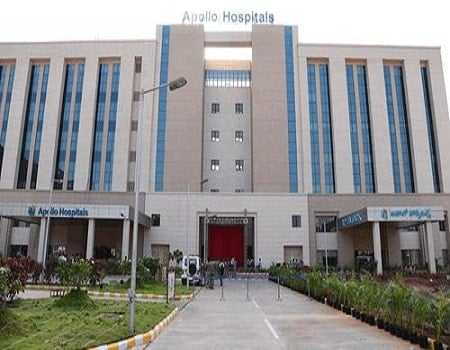
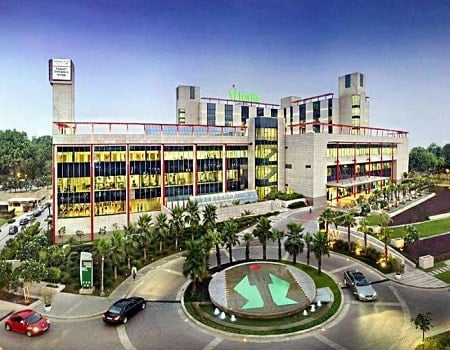
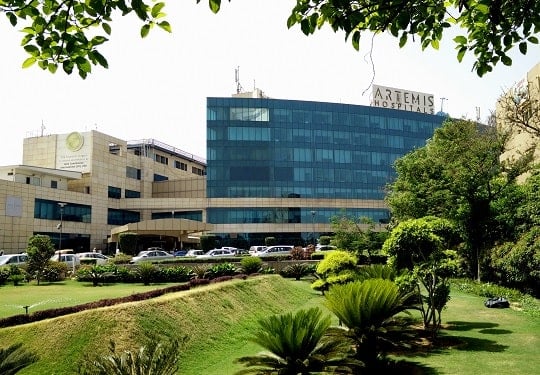
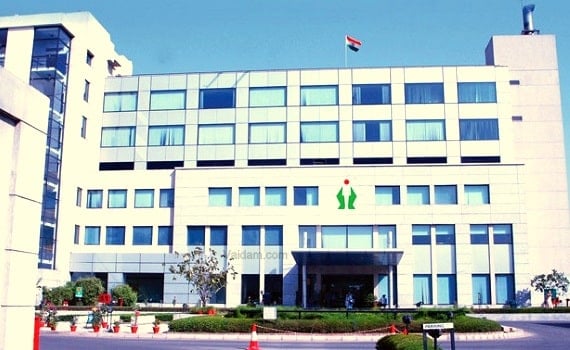
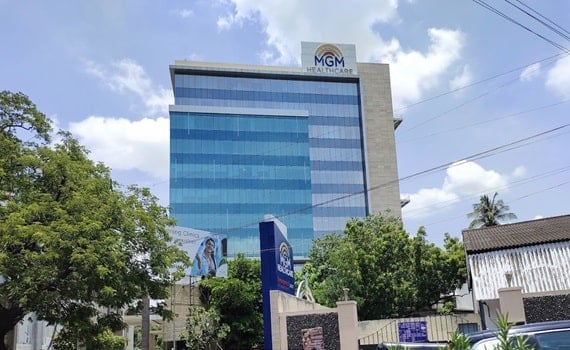
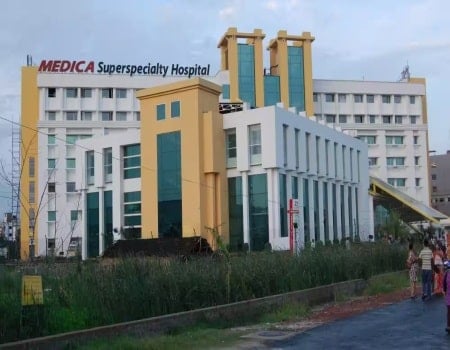
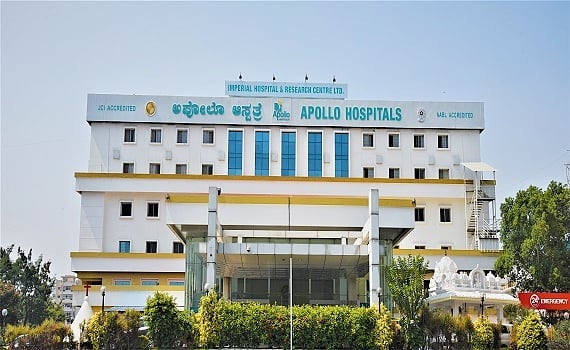
Recommended Hospitals for Blood Clot Brain Treatment

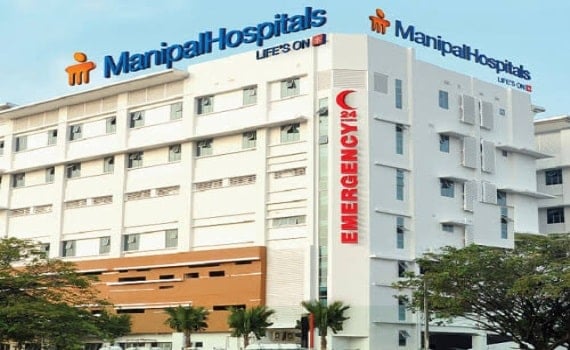
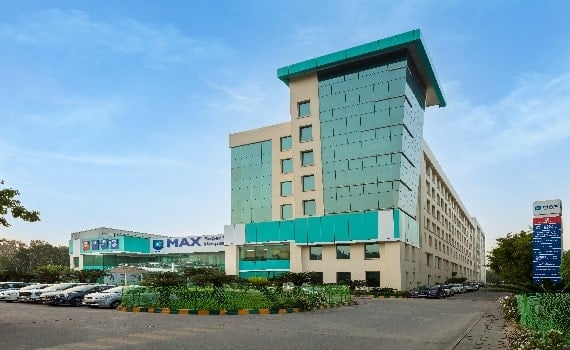
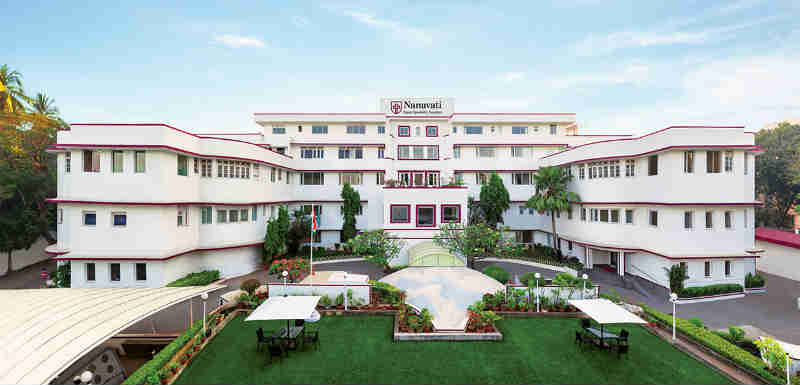

Frequently Asked Questions Related to Blood Clot Brain Treatment Cost in India
Many haematomas are successfully removed or drained, and patients recover well, especially chronic subdural haematomas. Outcomes after severe acute bleeding depend on the brain injury caused.
All brain surgery carries risks, including bleeding, infection, seizures and recurrence. Burr-hole drainage is lower risk than a craniotomy.
Burr-hole drainage often takes under an hour; a craniotomy usually takes a few hours.
A 'clot' blocking an artery causes an ischaemic stroke, treated with clot-busting drugs or thrombectomy. A bleed (haematoma) collects outside the vessels and may need surgery. They are treated very differently.
Gradually worsening headache, confusion, drowsiness, weakness on one side, difficulty walking or speech changes, often weeks after a minor head injury.
Older adults, people on blood thinners or antiplatelet drugs, people who drink heavily, and anyone after a significant head injury.
Blood Clot Brain treatment in India typically ranges from $6,000 to $14,000 USD, depending on the hospital, city, and type of procedure.
The length of neuro-intensive care is the biggest variable.
Chronic subdural haematomas recur in a proportion of patients. Middle meningeal artery embolisation may be used to lower this risk.
They are usually paused around surgery. When and whether to restart is decided by the neurosurgeon and the doctor who prescribed them.
Only when your neurosurgeon confirms it is safe, usually after a scan shows no significant trapped air.
 Chat