

What Is the Cost of Birmingham Hip Resurfacing (BHR) in India?
The cost of Birmingham Hip Resurfacing (BHR) in India typically ranges from $500 to $6,000 USD, depending on the hospital, city, and type of procedure.
Birmingham Hip Resurfacing (BHR) is a metal-on-metal hip operation. Instead of removing the ball of the thigh bone, the surgeon reshapes it and covers it with a metal cap, and a metal cup lines the socket. The cost usually depends on:
- Implant: the BHR components or another hip implant if resurfacing is not suitable.
- Pre-operative tests: X-rays and scans to measure the hip.
- Hospital stay and physiotherapy: a few days in hospital, then rehabilitation.
- Long-term follow-up: regular checks recommended for metal-on-metal hips.
The term 'BHR with stem' can refer to different implants. Confirm the exact implant planned before requesting a quote.
How Resurfacing Differs From a Total Hip Replacement
In a standard total hip replacement, the ball of the thigh bone is removed and a stem is placed inside the bone. In hip resurfacing, more of the patient's own bone is kept because only the surface of the ball is reshaped and capped.
Resurfacing has mainly been used in younger, active men with good bone quality. Where resurfacing is not suitable, a conventional hip replacement with a stem is usually used.
Our Services for BHR with stem in India
Transparent, professional support—without the hassles.
Book Doctor Appointment
Choose a specialist and schedule a convenient consultation.
Video or In-person Consultation
Consult remotely or meet your doctor directly at the hospital.
Compare Cost Estimates
Review transparent estimates from suitable hospitals.
Hospitalisation Support
Get coordinated assistance throughout your hospital stay.
 WhatsApp Us
Safety Guidance for Metal-on-Metal Hips
The UK Medicines and Healthcare products Regulatory Agency (MHRA) issued guidance on the BHR system in 2015 (MDA/2015/024). It stated that:
- Women: BHR should no longer be used in female patients.
- Head size: it should not be used where a femoral head of 46 mm or smaller is needed.
- Follow-up: patients should be reviewed every year for the life of the implant.
- Tests: imaging such as MARS MRI or ultrasound, and blood tests for metal ion levels.
The guidance notes that a blood metal ion level above 7 parts per billion may suggest a soft tissue reaction.
Recovery and Long-Term Monitoring
Recovery after hip resurfacing is similar to that after a hip replacement, with walking aids for several weeks and physiotherapy.
Because of the metal-on-metal bearing, long-term monitoring is important. Pain or limping should be reported, as they may be signs of a reaction to metal debris. Revision surgery may be considered if tests show problems.
Top Hospitals in India
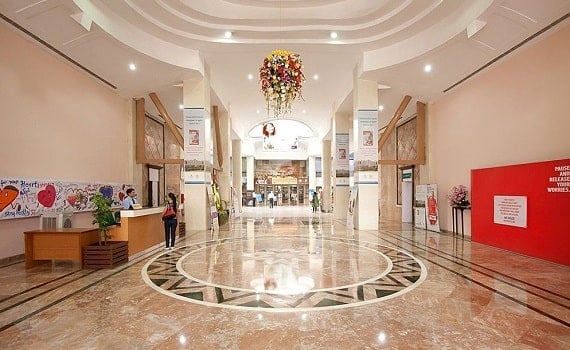
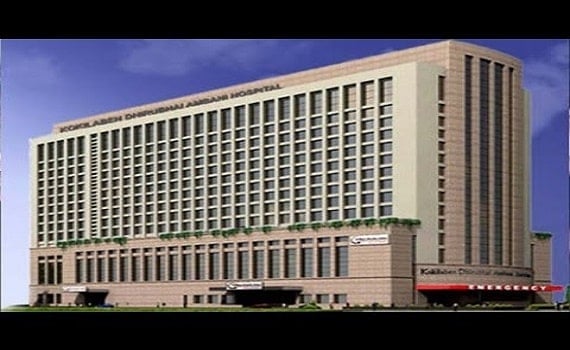
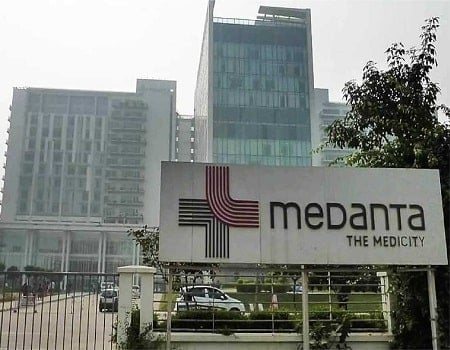
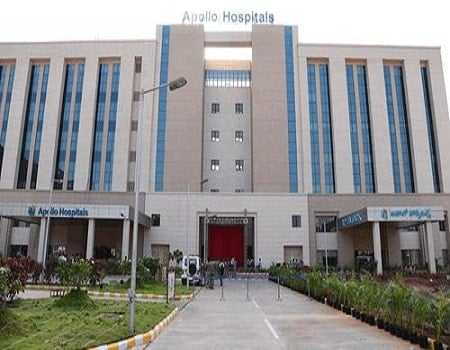
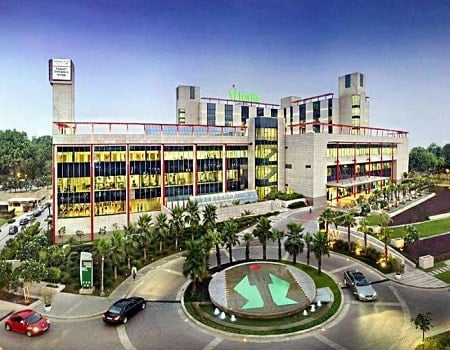
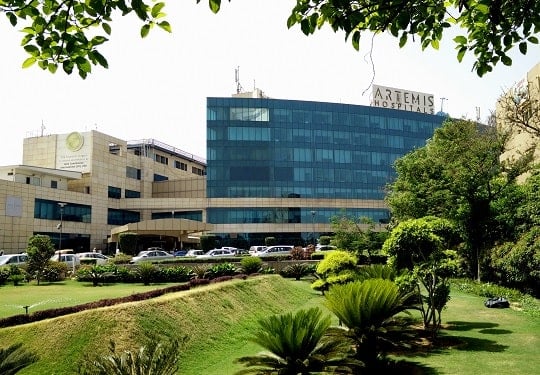
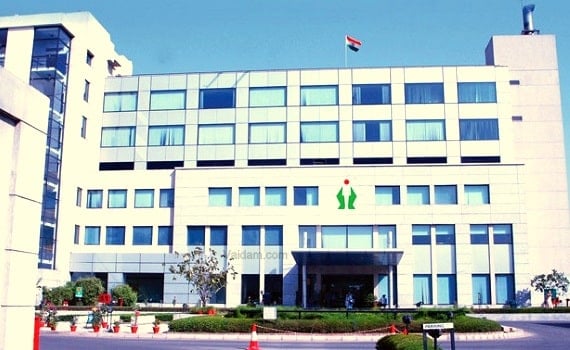
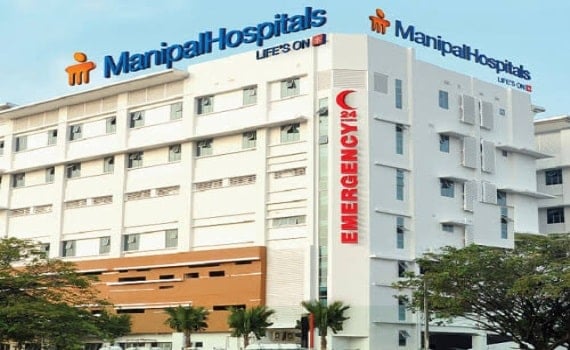
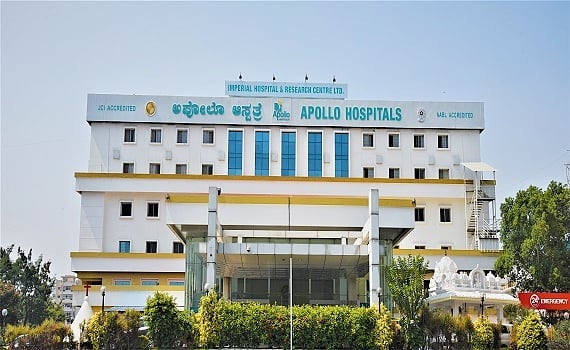
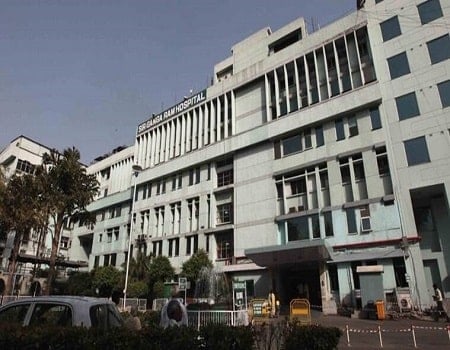
Recommended Hospitals for BHR with stem

Frequently Asked Questions Related to BHR with stem Cost in India
It is a metal-on-metal hip operation in which the ball of the thigh bone is reshaped and capped, and the socket is lined with a metal cup.
BHR is a resurfacing implant without a long stem. A stemmed version, or a different stemmed hip, may be used in some situations. Confirm with your surgeon which implant is planned.
Resurfacing has mainly been used in younger, active men with good bone quality. MHRA guidance says BHR should not be used in women or where a femoral head of 46 mm or smaller is needed.
Metal debris can cause reactions in the tissues around the hip. The MHRA recommends yearly review for the life of the implant.
The MHRA recommends imaging such as MARS MRI or ultrasound and blood tests for cobalt and chromium levels.
Pain and limping should be reported to your surgeon, as they may be signs of a problem.
The cost of Birmingham Hip Resurfacing (BHR) in India typically ranges from $500 to $6,000 USD, depending on the hospital, city, and type of procedure.
Each has benefits and drawbacks. Resurfacing keeps more bone, but it is suitable only for selected patients and needs long-term monitoring.
Recovery is similar to a hip replacement, with walking aids for several weeks and physiotherapy.
Yes. If tests show problems, revision surgery to a different implant may be considered.
 Chat