

What Is the Cost of Arthrodesis in India?
The cost of arthrodesis in India typically ranges from $500 to $6,000 USD, depending on the hospital, city, and type of procedure.
Arthrodesis, or joint fusion, permanently joins the bones of a painful joint so that it becomes stiff but no longer painful. It is used in the ankle, foot, wrist, fingers and spine. The cost depends on:
- Which joint is fused: small finger joints cost less than ankle or hindfoot fusions.
- Technique: open surgery or arthroscopic (keyhole) fusion.
- Metalwork: screws, plates or a nail.
- Bone graft: sometimes needed to help the bones join.
This range is a general guide. Ask for a quote based on the specific joint to be fused.
Why Joint Fusion Is Done
The Royal National Orthopaedic Hospital NHS Trust explains that fusion is used for severe arthritis or to correct deformity. It is only offered when non-surgical treatment has not controlled the pain.
The decision is based mainly on symptoms, such as pain, reduced activity and poor sleep, rather than X-ray appearance alone. Fusion trades movement for pain relief, so the effect on daily life is discussed carefully before surgery.
Our Services for Arthrodesis in India
Transparent, professional support—without the hassles.
Book Doctor Appointment
Choose a specialist and schedule a convenient consultation.
Video or In-person Consultation
Consult remotely or meet your doctor directly at the hospital.
Compare Cost Estimates
Review transparent estimates from suitable hospitals.
Hospitalisation Support
Get coordinated assistance throughout your hospital stay.
 WhatsApp Us
How Fusion Surgery Works
The surgeon removes the damaged cartilage from the joint surfaces and holds the bones together with metalwork while they knit. For the ankle, the RNOH describes both open surgery and an arthroscopic version through two small incisions in suitable patients.
The RNOH ankle fusion pathway gives an example of the recovery:
- Hospital stay: one to two days.
- No weight on the foot: for the first 4 weeks.
- Partial weight-bearing: from weeks 4 to 8.
- Full weight-bearing: from weeks 8 to 12, with about 12 weeks in plaster overall.
Arthrodesis: Results and Risks
The RNOH cites a success rate of about 90% for ankle fusion. Because the other foot joints still move, people keep about half of their up-and-down foot movement, and most walk without a limp.
Smoking greatly increases the risk that the bones fail to join (non-union), and the RNOH advises against fusion in people who smoke. Other risks include infection, nerve irritation causing numbness, prominent screws needing removal, and blood clots.
Top Doctors in India
Recommended Doctors for Arthrodesis











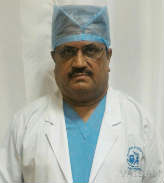
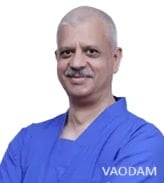


Top Hospitals in India
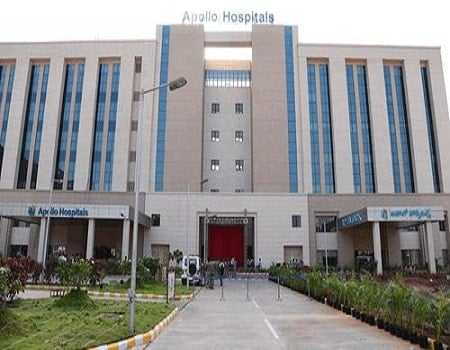
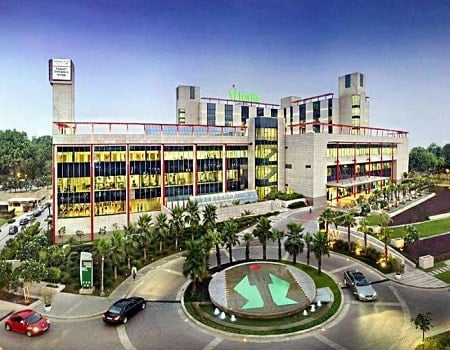
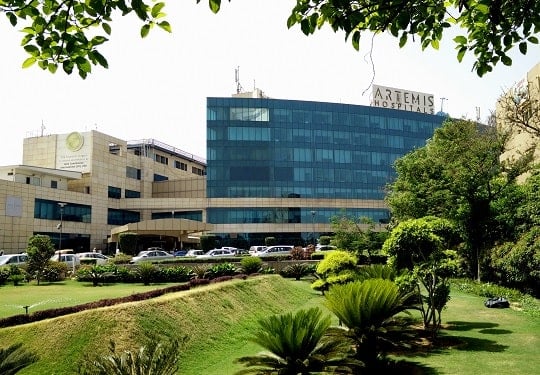
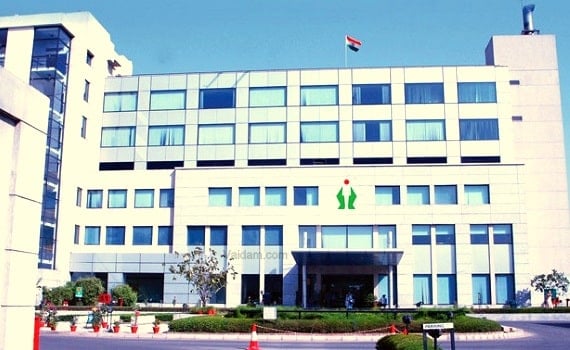
Recommended Hospitals for Arthrodesis
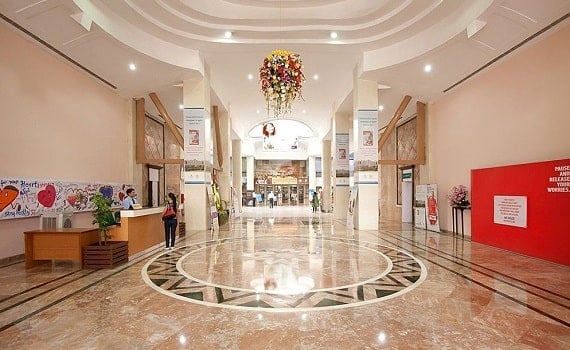
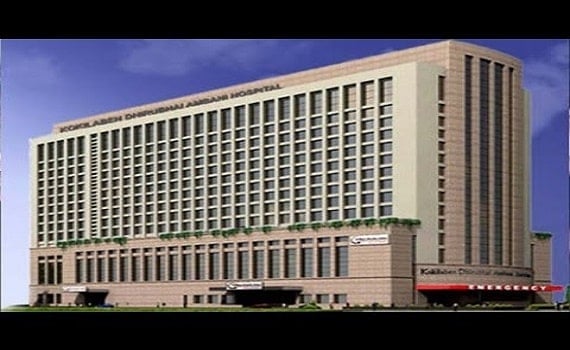



Frequently Asked Questions Related to Arthrodesis Cost in India
Arthrodesis is surgery that fuses the bones of a joint so they grow into one solid bone. The joint no longer moves, which stops pain caused by movement of worn surfaces.
It depends on the joint. Fusing a finger joint is a smaller operation than fusing the ankle or hindfoot, which needs several weeks in plaster.
The Royal National Orthopaedic Hospital cites a 90% success rate for ankle fusion. Success is lower in smokers, because smoking slows bone healing.
For an ankle fusion, the RNOH expects the bones to join at about 3 months. Healing can take longer in some people, especially smokers.
Most patients walk without a limp and can cycle or play golf, according to the RNOH. Vigorous sports such as football or squash are less likely.
No. The RNOH advises stopping before surgery and not smoking until healing is complete, because smoking greatly raises the risk of non-union.
The cost of arthrodesis in India typically ranges from $500 to $6,000 USD, depending on the hospital, city, and type of procedure.
It depends on the joint and your activity level. Fusion gives lasting pain relief at the cost of movement, while replacement keeps movement but may wear out.
The RNOH pathway involves about 12 weeks in plaster. Weight is gradually increased from no weight in the first 4 weeks to full weight by 8 to 12 weeks.
Risks include non-union, infection, numbness from minor nerve injury, prominent screws and blood clots. The RNOH notes the fused joint can occasionally be in a slightly imperfect position.
 Chat