

Cost of Aplastic Anemia in India
If required, the treatment for Aplastic Anemia includes medications and blood transfusions followed by bone marrow transplants.
Our Services for Aplastic Anemia in India
Transparent, professional support—without the hassles.
Book Doctor Appointment
Choose a specialist and schedule a convenient consultation.
Video or In-person Consultation
Consult remotely or meet your doctor directly at the hospital.
Compare Cost Estimates
Review transparent estimates from suitable hospitals.
Hospitalisation Support
Get coordinated assistance throughout your hospital stay.
 WhatsApp Us
Top Doctors in India
Recommended Doctors for Aplastic Anemia



Dr. Satya Prakash Yadav
Director
Paediatric HematologistMedanta - The Medicity, Gurgaon












Top Hospitals in India
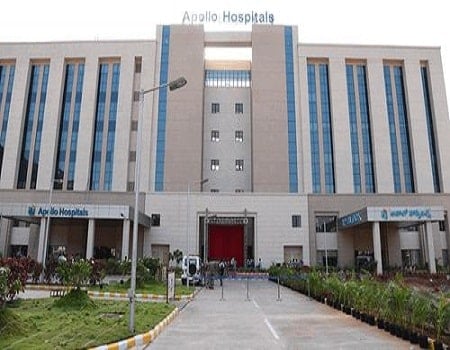
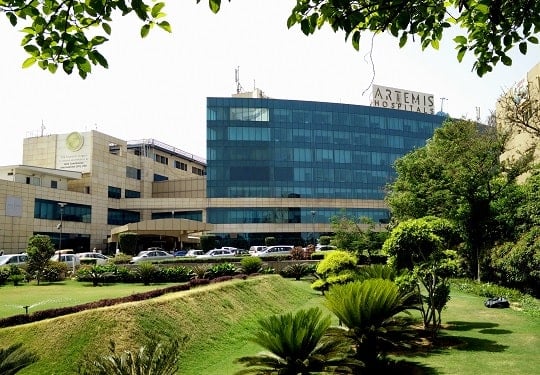
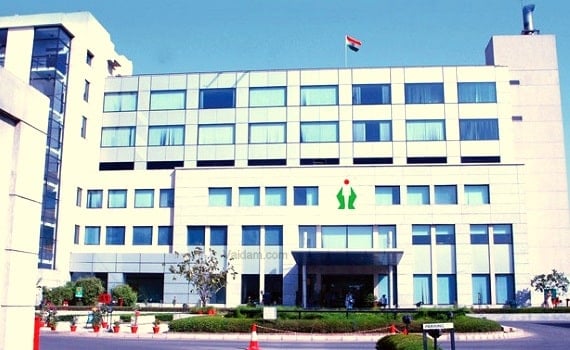
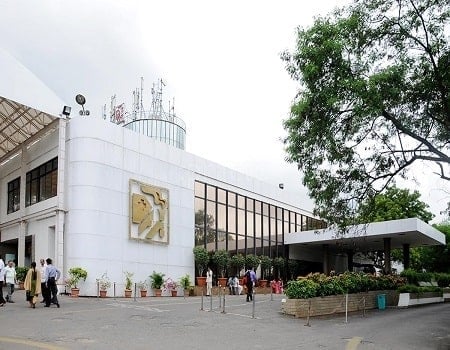
Recommended Hospitals for Aplastic Anemia







Success Rate
Frequently Asked Questions Related to Aplastic Anemia Cost
Your doctor will recommend some tests before Aplastic anemia treatment, including blood tests such as complete blood count (CBC) & Reticulocyte count, bone marrow biopsy, CT scan, chest X-ray, and liver tests. 10-15% of the total procedure cost is involved in medical tests, and the package contains the test costs.
The medicine costs are included in the package when the patient is in the hospital. Medicines taken from outside the hospital are not covered in the package, and the patient has to pay for them separately.
The procedure requires a lengthy hospital stay, and the patient has to spend 1-3 months in the hospital. Aplastic anemia is a severe illness, and the condition can come back, and that's why long-term follow-up is required after the treatment. Complete success can take at least 9 months.
Usually, it takes approximately 3 months to recover after a bone marrow transplant, but it is completely normal to take more or less time. Drugs such as anti-thymocyte globulin and cyclosporine can be taken to suppress the immune cells' activity that damages the bone marrow.
Yes, aplastic anemia treatment is covered by the insurance. The patient has to produce proof to the insurance company of their disease by showing medical history, dosages, prescriptions, etc.
A bone marrow transplant is the only option to treat aplastic anemia because it replaces the damaged stem cells with healthy ones.
Everything You Need to Know About Aplastic Anemia: Q&A
Before the Procedure · 10 Questions
Aplastic anemia is the condition seen when your body stops the production of enough red blood cells. This condition makes you fatigue and you will be more prone to infection and uncontrolled bleeding.
If not treated, aplastic anemia can increase the risk of serious infection, bleeding, heart problems and other complications
Common symptoms of aplastic anemia includes fatigue or weakness, bruising or early bleeding, shortness of breath, recurrent infection, flu like symptoms, headache, fever due to infection and appearance of red dots which indicates prensece of bleeding under skin.
Aplastic anemia is a life threatening condition and it has got very high death rate if it is not treated. The overall rate of survival is about 80 percent in patients of age under 20. Recently, there has been a lot of improvement in aplastic anemia.
Even though aplastic anemia is not a malignant disease it can be a very serious condition especially if the bone marrow is affected and few blood cells are left in circulation.
Aplastic anemia can be develop in people of any ages but it is most commonly seen in adolscents, young people and elderly. Both men and women can have this form of anemia.
The most common cause of aplastic anemia is your immune system which is attacking the stem cells present in your bone marrow, other factors which can injure bone marrow and affect the production of red blood cells are the radio and chemotherapy treatment.
Anemia is not painful person having anemia may experience some symptoms such as tiredness, increased need of sleep, weakness, light headiness, irritability, headache, pale skin, difficulty in breathing or chest pain.
Aplastic anemia can be seen in any age but it is most commonly seen in adolescence and young patients who have severe aplastic anemia.
Aplastic anemia is not always a disability because it can be treated by bone marrow or stem cell transplantation.
During the Procedure · 4 Questions
If your doctor can identify the cause of aplastic anemia and treat it then the condition may go away.
Treatment for aplastic anemia might include medications, blood transfusions or a stem cell transplant, also known as a bone marrow transplant.
The procedure of bone marrow transplant will take around one to two hours to complete.
A bone marrow transplant is usually done after chemotherapy and radiation is complete. The stem cells are delivered into your bloodstream, usually through a tube called a central venous catheter. The process is similar to getting a blood transfusion. The stem cells travel through the blood into the bone marrow.
Post the Procedure · 4 Questions
The time depends on the patient and the transplant type, but it's usually about 2 to 6 week.
In the initial days you may feel weak and tired for six months to year after the procedure. The recovery time of the procedure is different for every person.
You have to follow all instructions to prevent yourself from getting infections you should do thorough hand washing especially during the first six months after the surgery.
Complications of aplastic anemia incudes mouth and throat pain, nausea, vomiting, infection, graft failure, intestinal problems etc.
 Chat
Chat