

What Is the Cost of Aplastic Anemia Treatment in Germany?
The cost of Aplastic Anemia treatment in Germany typically ranges from $2,500 to $22,000 USD, depending on the hospital, city, and type of procedure.
Aplastic anaemia is a rare condition in which the bone marrow does not make enough red cells, white cells and platelets. Treatment can continue for a long time. In Germany, the total depends on:
- Supportive care: blood and platelet transfusions and treatment of infections.
- Immunosuppressive treatment: ATG with ciclosporin.
- Stem cell transplant: including the donor search and a long hospital stay.
- Long-term monitoring: blood tests and bone marrow checks.
A stem cell transplant usually costs far more than the range above, so ask what each estimate includes.
Diagnosing Aplastic Anaemia
Great Ormond Street Hospital (GOSH) explains that blood tests point to the condition and a bone marrow sample confirms it. In most cases no cause is found, and the immune system appears to attack the bone marrow.
Symptoms include bruising, bleeding, tiredness, pale skin and frequent infections.
Our Services for Aplastic Anemia Treatment in Germany
Transparent, professional support—without the hassles.
Book Doctor Appointment
Choose a specialist and schedule a convenient consultation.
Video or In-person Consultation
Consult remotely or meet your doctor directly at the hospital.
Compare Cost Estimates
Review transparent estimates from suitable hospitals.
Hospitalisation Support
Get coordinated assistance throughout your hospital stay.
 WhatsApp Us
Aplastic Anaemia: Treatment Pathways
- Transfusions and antibiotics: ease symptoms but do not cure the condition.
- ATG and ciclosporin: dampen the immune attack, and GOSH reports a response in up to about 6 in 10 children.
- Stem cell transplant: replaces the marrow; a matched sibling is preferred, but only about a quarter of children have one.
- Eltrombopag: a medicine that can increase blood cell production in some patients.
GOSH reports that about 9 in 10 children who do not respond to ATG are cured by a matched unrelated donor transplant. Its page was last reviewed in 2021.
Aplastic Anaemia Treatment in Germany: Costs Over Time
Aplastic anaemia care often continues for months, so international patients may receive several estimates, one for each phase. International patients are usually treated in Germany as self-paying patients: the hospital reviews the medical reports, sends a cost estimate and asks for an advance payment before admission, then settles the final bill after discharge.
Medicines and blood products can be added to a hospital bill as separate surcharges in addition to the DRG.
Top Doctors in Germany
Recommended Doctors for Aplastic Anemia Treatment





Dr. med. Judith Netherlands
Senior Consultant
Paediatric HematologistHelios Hospital, Berlin










Top Hospitals in Germany
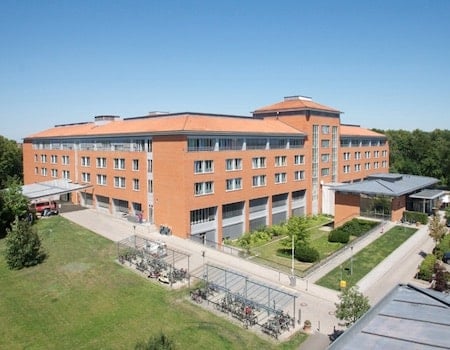
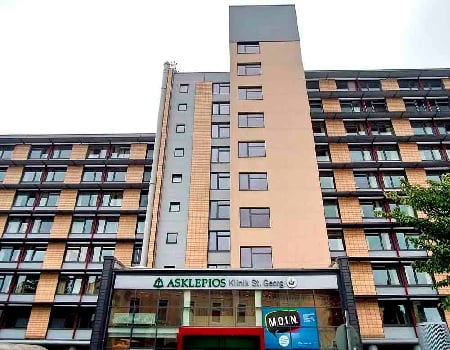
Recommended Hospitals for Aplastic Anemia Treatment









Frequently Asked Questions Related to Aplastic Anemia Treatment Cost in Germany
Aplastic anaemia is a type of bone marrow failure in which too few blood cells are made. It can cause tiredness, bleeding and frequent infections.
Most cases have no known cause and are thought to involve the immune system attacking the bone marrow. A small number are inherited, such as Fanconi anaemia.
Blood tests show low blood counts, and a bone marrow sample confirms the diagnosis. Doctors then decide how severe it is.
A stem cell transplant can cure aplastic anaemia in many patients. Immunosuppressive treatment helps many others, although the condition can return.
ATG is an immune-suppressing medicine, usually given with ciclosporin, to stop the immune attack on the bone marrow. Blood counts can take months to recover.
A matched brother or sister is preferred as a donor. If none is available, a matched unrelated donor from a registry may be used.
The cost of Aplastic Anemia treatment in Germany typically ranges from $2,500 to $22,000 USD, depending on the hospital, city, and type of procedure.
Transfusions replace red cells and platelets while the bone marrow is not working properly. They treat symptoms but do not cure the condition.
Regular check-ups continue for several years after treatment. They look for relapse and for long-term effects of treatment.
Treatment often happens in phases, such as immunosuppression first and a transplant later if needed. Each phase can be estimated separately, with the final bill settled after each stay.
 Chat