

Cost of Aortofemoral Bypass Surgery in Gurgaon
Our Services for Aortofemoral Bypass Surgery in Gurgaon
Transparent, professional support—without the hassles.
Book Doctor Appointment
Choose a specialist and schedule a convenient consultation.
Video or In-person Consultation
Consult remotely or meet your doctor directly at the hospital.
Compare Cost Estimates
Review transparent estimates from suitable hospitals.
Hospitalisation Support
Get coordinated assistance throughout your hospital stay.
 WhatsApp Us
Top Doctors in Gurgaon
Recommended Doctors for Aortofemoral Bypass Surgery


Top Hospitals in Gurgaon
Recommended Hospitals for Aortofemoral Bypass Surgery

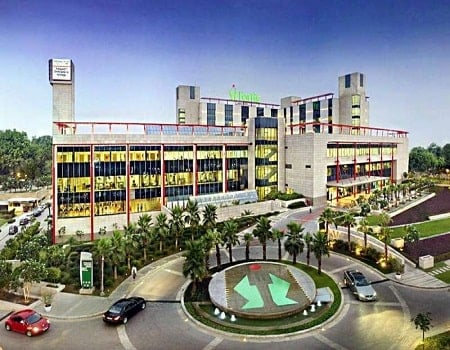
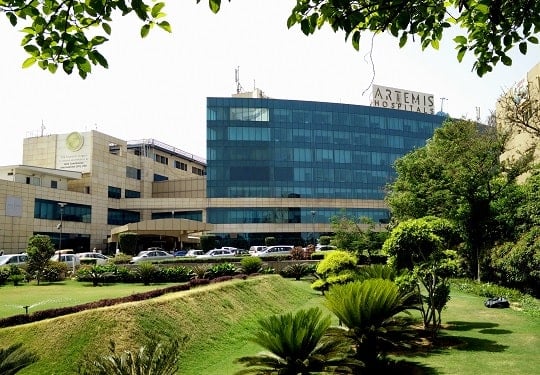



Frequently Asked Questions Related to Aortofemoral Bypass Surgery Cost
Before aortofemoral bypass surgery, your doctor will request testing such as blood tests, an MRI, a leg X-ray, or a CT scan. The cost of the testing is included in the treatment package.
When the patient is in the hospital, the pharmacy and prescription expenses are included in the package. However, if the patient purchases drugs outside of the hospital, they are not included in the package.
The recovery duration for this procedure is longer than for bypass surgery to treat damaged blood arteries in the legs. After the procedure, you will need to spend 12 hours in bed and will stay in the hospital for 4 to 7 days. Follow-up after surgery is after 2-3 weeks.
You might expect your belly and groin to remain uncomfortable for many weeks. You will most likely be sleepy for several weeks following surgery. After 4 to 6 weeks, you should be ready to resume most of your normal activities.
Yes, the Aortofemoral bypass surgery procedure is covered in health insurance plans. Furthermore, the procedure must have been performed within a minimum of 6 months and a maximum of 3 years of the date of application to the plan.
Alternative procedures consist of femoro-femoral, iliofemoral, or axillofemoral bypass.
Everything You Need to Know About Aortofemoral Bypass Surgery: Q&A
Before the Procedure · 3 Questions
Aortobifemoral bypass surgery is being done to redirect your blood flow to the large, blocked artery in your belly and groin region for increasing the blood flow in your leg region and it relieve the symptoms such as numbness, cramping and leg pain.
You may need to undergo aortofemoral bypass if one the main arteries in your abdomen, pelvis and groin region is being blocked by building the fatty deposits near your artery wall. As aorta is the largest artery in the body, it splits to form iliac arteries in your pelvis and they are called as femoral arteries when they reach your thighs. If you are experiencing symptoms such as pain, soreness in your legs and feet, gangrene, dry, itchy or brown skin on legs and feet then there is need for you to undergo aortofemoral bypass.
Around 80 percent of people who have undergone aortobifemoral bypass surgery has got relief of symptoms and they have successfully bypasses the blocked artery after 10 years. Most people don’t experienced any pain when they are resting and pain is reduced to a extend when they are walking.
During the Procedure · 3 Questions
It will take around three to five hours to do aortofemoral bypass surgery under general anaesthesia.
Aortofemoral bypass surgery is being done by a cardiologist.
In aortofemoral bypass surgery an artificial blood vessel is being used to bypass the clogged artery. The clogged artery is shaped like upside down Y and the bottom of the Y will be sewn on the aorta above the diseased part of your artery in abdomen region. After this graft is put this allows the blood to flow from aorta to femoral arteries by going around the clogged area.
Post the Procedure · 3 Questions
You may be sore and tired for several weeks after surgery and you have take some precautions such as avoid strenuous activities, get plenty of rest and try to walk daily.
Compelete recovery of the procedure will take around 6 to 8 weeks.
You should contact your doctor if you are experiencing some signs and symptoms such as fever, chills, or other signs of infection such as nausea, vomiting, cough, shortness of breath, chest pain, redness, swelling, pain, bleeding or discharge from incision site, pain and swelling in leg region, difficulty in urination, pale, blue, cold tingy or numb legs then you should immediately contact your doctor.
 Chat
Chat