

What Is the Cost of Anal Cancer Treatment in Germany?
The cost of Anal Cancer treatment in Germany typically ranges from $18,000 to $70,000 USD, depending on the hospital, city, and type of procedure.
Anal cancer starts in the anal canal or the skin around the anus. Most people are treated with chemoradiotherapy rather than major surgery. In Germany, the total depends on:
- Chemoradiotherapy: the most common treatment.
- Surgery: for small cancers at the anal margin, or if the cancer remains or returns.
- Chemotherapy: for cancer that has spread.
- Follow-up: examinations and scans over several years.
Cancer treatment costs depend on the stage and the treatments needed. A full course of care can cost more than this range, so ask what each estimate includes.
Anal Cancer: The Usual First Treatment
Cancer Research UK explains that chemoradiotherapy, which combines chemotherapy with radiotherapy, is the most common treatment for anal cancer that has not spread.
Surgery is the main treatment for some early cancers at the anal margin. It is also used when cancer does not fully go after chemoradiotherapy or comes back.
Our Services for Anal Cancer Treatment in Germany
Transparent, professional support—without the hassles.
Book Doctor Appointment
Choose a specialist and schedule a convenient consultation.
Video or In-person Consultation
Consult remotely or meet your doctor directly at the hospital.
Compare Cost Estimates
Review transparent estimates from suitable hospitals.
Hospitalisation Support
Get coordinated assistance throughout your hospital stay.
 WhatsApp Us
Anal Cancer That Has Spread and Follow-Up Care
Chemotherapy is usually used when anal cancer has spread to other parts of the body, and radiotherapy can relieve symptoms.
Follow-up visits include examinations and scans. HPV infection is a known risk factor for anal cancer, and smoking and a weakened immune system also raise the risk.
Anal Cancer Treatment in Germany: Planning a Course of Chemoradiotherapy
Chemoradiotherapy is given over several weeks, usually as an outpatient with some inpatient days, so the estimate depends on how much is given as inpatient care. International patients are usually treated in Germany as self-paying patients: the hospital reviews the medical reports, sends a cost estimate and asks for an advance payment before admission, then settles the final bill after discharge.
Patients insured in another EU country need an S2 form from their own insurer for planned treatment in Germany, as the EHIC is intended for unplanned care.
Top Hospitals in Germany
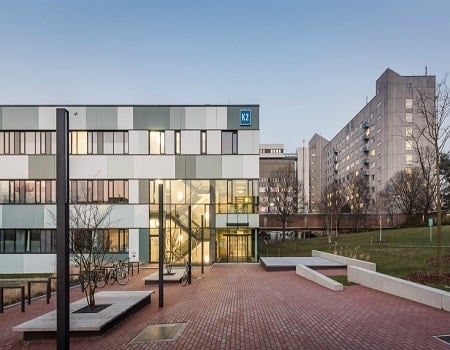
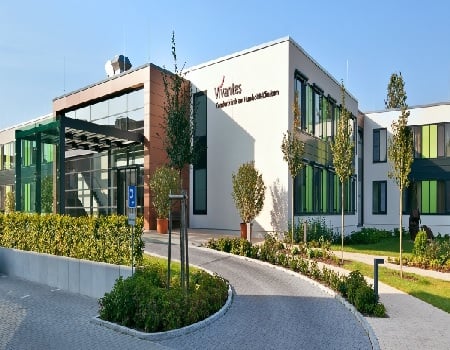
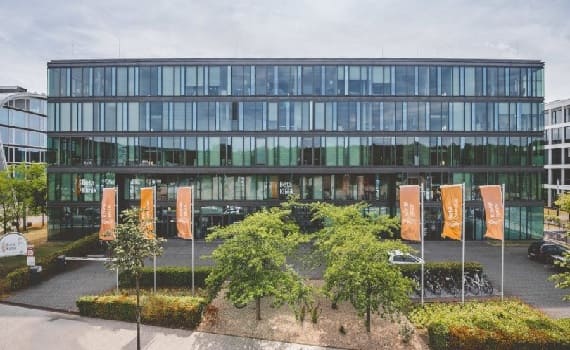
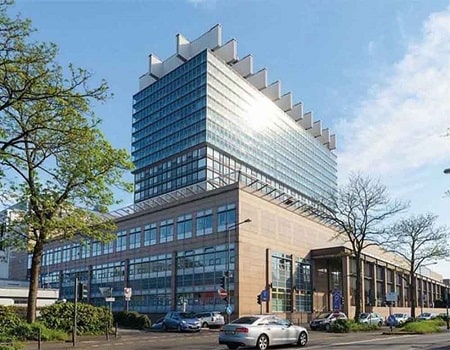
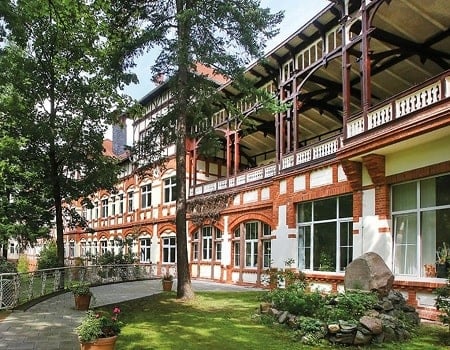
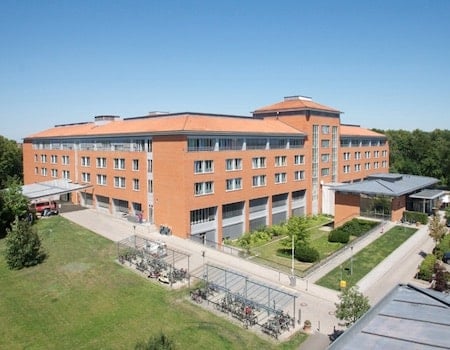
Recommended Hospitals for Anal Cancer Treatment





Frequently Asked Questions Related to Anal Cancer Treatment Cost in Germany
Bleeding from the bottom, pain, itching, a lump and changes in bowel habit can be signs. These have other causes too, but they should be checked.
Chemoradiotherapy is the most common treatment for anal cancer that has not spread, according to Cancer Research UK. It combines chemotherapy and radiotherapy over several weeks.
Most do not, because chemoradiotherapy usually avoids the need for major surgery. A stoma may be needed if extensive surgery is required later.
Surgery is used for some small cancers at the anal margin. It is also used when cancer remains or returns after chemoradiotherapy.
HPV infection is the main risk factor for anal cancer. Smoking and a weakened immune system also increase the risk.
Sore skin around the anus, diarrhoea and tiredness are common during treatment. Most of these improve in the weeks after treatment ends.
The cost of Anal Cancer treatment in Germany typically ranges from $18,000 to $70,000 USD, depending on the hospital, city, and type of procedure.
Examinations and scans in the months after treatment show how the cancer has responded. Follow-up then continues for several years.
Chemotherapy on its own is usually given when anal cancer has spread to other parts of the body. It aims to control the cancer and its symptoms.
Much of the radiotherapy is usually given as outpatient treatment, with some inpatient days for chemotherapy depending on the hospital. Ask how the course would be organised and billed.
 Chat