

What Is the Cost of Alzheimer's Disease Treatment in Germany?
The cost of Alzheimer's Disease treatment in Germany typically ranges from $2,500 to $22,000 USD, depending on the hospital, city, and type of procedure.
Alzheimer's disease is the most common cause of dementia. There is no cure, so care focuses on easing symptoms and supporting the person and their family. In Germany, the total depends on:
- Assessment: memory testing and brain scans.
- Medicines: usually taken long term.
- Newer antibody treatment: for some people with early-stage disease, with regular MRI checks.
- Therapies: such as cognitive stimulation.
- Care support: home care or residential care as needs increase.
Long-term care can cost more over time than medical treatment, so ask what is included in any package.
Medicines Used for Alzheimer's Disease
The NHS explains that donepezil, galantamine and rivastigmine are used for mild to moderate Alzheimer's disease and can temporarily ease symptoms. Side effects such as nausea often improve after about two weeks. Memantine is used for moderate or severe disease.
Antipsychotic medicines are used only for severe distress or aggression, at the lowest dose for the shortest time.
Our Services for Alzheimer's Disease Treatment in Germany
Transparent, professional support—without the hassles.
Book Doctor Appointment
Choose a specialist and schedule a convenient consultation.
Video or In-person Consultation
Consult remotely or meet your doctor directly at the hospital.
Compare Cost Estimates
Review transparent estimates from suitable hospitals.
Hospitalisation Support
Get coordinated assistance throughout your hospital stay.
 WhatsApp Us
Lecanemab in Germany and Non-Drug Support
Germany's health information service, informedhealth.org, reports that the antibody medicine lecanemab has been available in Germany since September 2025 for some adults with early-stage Alzheimer's disease. It is given as an infusion every two weeks, needs MRI checks before set doses because it can cause brain swelling and bleeding, and is not suitable for people taking anticoagulants.
Cognitive stimulation therapy and reminiscence work can help memory and wellbeing, and the NHS stresses that support for carers is as important as medicines.
Alzheimer's Assessment and Treatment in Germany
Lecanemab treatment involves infusions every two weeks and repeated MRI scans, so it is difficult to receive as a short visit from abroad. Ask the clinic how monitoring would continue after you return home.
International patients are usually treated in Germany as self-paying patients: the hospital reviews the medical reports, sends a cost estimate and asks for an advance payment before admission, then settles the final bill after discharge.
Top Doctors in Germany
Recommended Doctors for Alzheimer's Disease Treatment















Top Hospitals in Germany
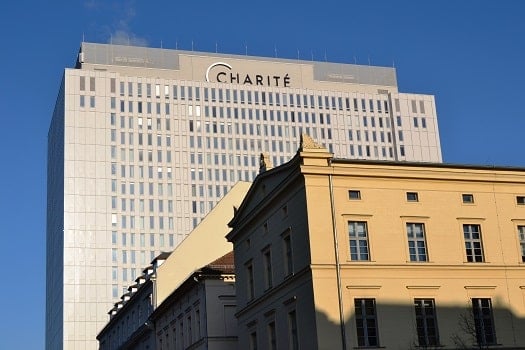
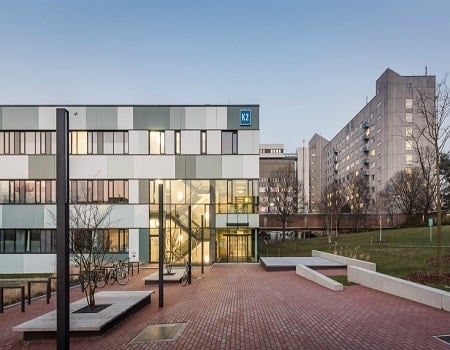
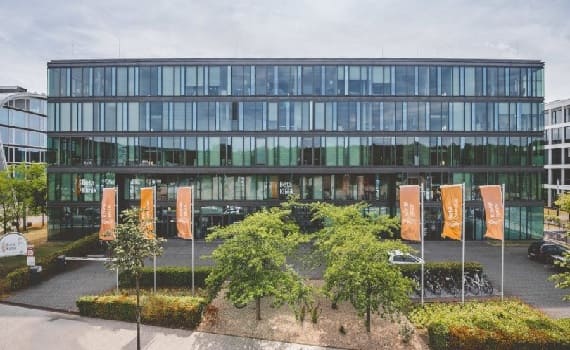
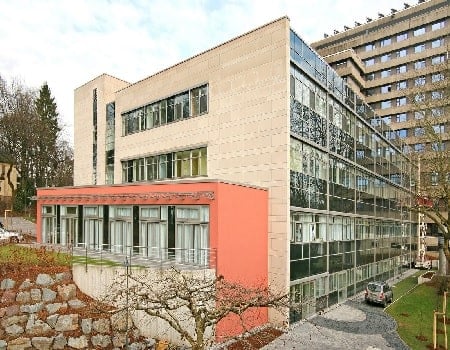
Recommended Hospitals for Alzheimer's Disease Treatment









Frequently Asked Questions Related to Alzheimer's Disease Treatment Cost in Germany
There is no cure for Alzheimer's disease, according to the NHS. Medicines can temporarily ease some symptoms.
Donepezil, galantamine and rivastigmine are used for mild to moderate disease, and memantine for moderate to severe disease. A specialist usually starts them.
Nausea, vomiting and loss of appetite are common at first and often improve after about two weeks. Memantine can cause headaches, dizziness or constipation.
Cognitive stimulation therapy is a programme of group activities and exercises to support memory and thinking. It is a treatment that does not involve medicines.
Coping strategies come first when behaviour changes. Antipsychotic medicines are used only for severe aggression or distress and for the shortest time possible.
Diagnosis involves memory tests, a medical assessment and often brain scans. Other causes of memory problems are ruled out first.
The cost of Alzheimer's Disease treatment in Germany typically ranges from $2,500 to $22,000 USD, depending on the hospital, city, and type of procedure.
Informedhealth.org reports that lecanemab has been available in Germany since September 2025 for some adults with early-stage Alzheimer's disease. Only people who meet strict criteria, including at most one copy of the ApoE4 gene, can receive it.
Lecanemab can cause swelling and bleeding in the brain, so MRI scans are required before set doses. Treatment is stopped if people do not attend these check-ups.
Caring for someone with dementia is demanding, and support for carers helps both the carer and the person with Alzheimer's. The NHS describes carer support as important as medicines.
 Chat