

What Is the Cost of Allogeneic Bone Marrow Transplant in Germany?
The cost of allogeneic bone marrow transplant in Germany typically ranges from $65,000 to $130,000 USD, depending on the hospital, city, and type of procedure.
An allogeneic bone marrow transplant uses blood-forming stem cells from a donor to replace diseased bone marrow, often for leukaemia and other blood disorders. In Germany, the total depends on:
- Donor type: sibling, unrelated, half-matched or cord blood.
- Donor search: registry costs if needed.
- Hospital stay: several weeks in isolation.
- Long-term medicines: and follow-up.
Stem cell transplant costs depend heavily on complications and length of stay, and the total can exceed the range above. Ask what an estimate includes.
Finding a Matched Stem Cell Donor
Anthony Nolan explains that siblings are usually tested first, and unrelated donors are found through registries. A 12 out of 12 tissue type (HLA) match is generally preferred.
Half-matched (haploidentical) donors and cord blood, which needs less strict matching, are other options.
Our Services for Allogeneic Bone Marrow Transplant in Germany
Transparent, professional support—without the hassles.
Book Doctor Appointment
Choose a specialist and schedule a convenient consultation.
Video or In-person Consultation
Consult remotely or meet your doctor directly at the hospital.
Compare Cost Estimates
Review transparent estimates from suitable hospitals.
Hospitalisation Support
Get coordinated assistance throughout your hospital stay.
 WhatsApp Us
Risks of a Donor Transplant
The NHS explains that graft-versus-host disease can occur when donor cells attack the patient's tissues, and that infection is a major risk.
Infertility is common, and recovery is often a long process.
Donor Stem Cell Transplant in Germany
International patients are usually treated in Germany as self-paying patients: the hospital reviews the medical reports, sends a cost estimate and asks for an advance payment before admission, then settles the final bill after discharge.
Inpatient hospital care in Germany is billed under the German DRG system, which depends on the main diagnosis, other diagnoses and the procedures carried out, so the final amount is known only after the stay.
Many German hospitals have cancer centres certified by the German Cancer Society (Deutsche Krebsgesellschaft), which must show every year that they meet tumour-specific requirements based on medical guidelines.
Top Doctors in Germany
Recommended Doctors for Allogeneic Bone Marrow Transplant





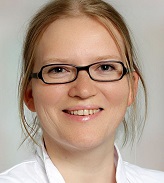
Dr. med. Judith Netherlands
Senior Consultant
Paediatric HematologistHelios Hospital, Berlin









Top Hospitals in Germany
Recommended Hospitals for Allogeneic Bone Marrow Transplant







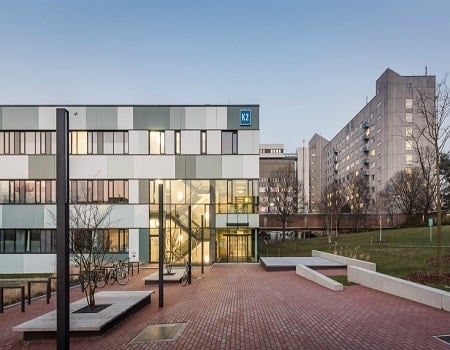
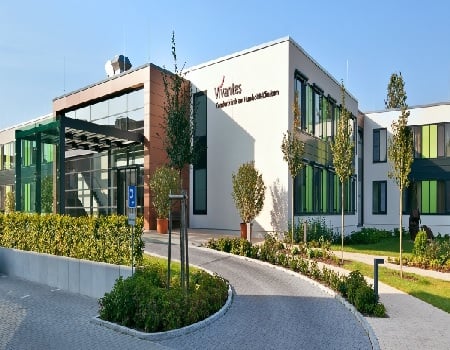




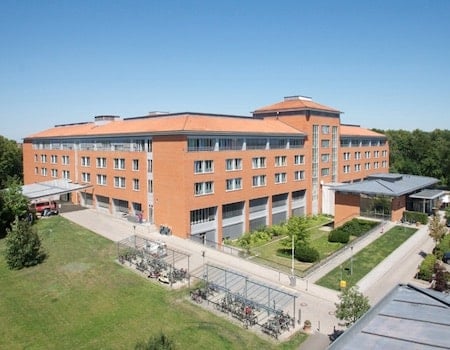
Frequently Asked Questions Related to Allogeneic Bone Marrow Transplant Cost in Germany
It uses stem cells from a donor to replace diseased bone marrow. It is often used for leukaemia and other blood disorders.
Anthony Nolan explains that siblings are usually tested first. If none match, an unrelated donor is sought through a registry.
It means the donor and patient share all 12 tissue type markers tested. Anthony Nolan notes that a full match is generally preferred.
Yes, cord blood can be used and needs less strict matching, according to Anthony Nolan. It suits some patients.
Graft-versus-host disease occurs when donor cells attack the patient's tissues. The NHS notes that it can affect the skin, gut and liver.
Immunity is very low after conditioning and while the new marrow grows. A high temperature needs urgent care.
The cost of allogeneic bone marrow transplant in Germany typically ranges from $65,000 to $130,000 USD, depending on the hospital, city, and type of procedure.
Yes, the NHS notes that infertility is common after a transplant. Storing eggs or sperm can be discussed beforehand.
Anthony Nolan describes recovery as a long process, often taking many months. Close follow-up is needed.
Ask what the estimate includes, such as donor search, the hospital stay and medicines after discharge. Complications can increase costs.
 Chat