WhatsApp Us
 Listing approximate price of Hysteroscopy and some related procedures. The prices may change depending upon the centers and condition of the patient.
| Treatment name | Cost range |
|---|---|
| Hysteroscopy | USD 1350 to USD 1650 |
A doctor may suggest that you undergo blood tests and a pregnancy test a week before your hysteroscopy to determine your suitability. Diagnostic tests cost may also be included in the package.
When a patient is in the hospital, the pharmacy and prescription fees are reimbursed. The package, on the other hand, does not cover medications purchased outside of the hospital.
If you had general anesthesia, you might need to stay in the hospital for a few hours after your hysteroscopy. When you leave, you will be informed of the biopsy results. Hysteroscopic surgery usually does not require a post-operative visit, but, in some circumstances, your doctor may suggest it.
For patients planning to travel abroad it is useful to know the price in destinations popular with medical travellers. The price for Hysteroscopy in different countries is approximately:
Listing popular specialists:
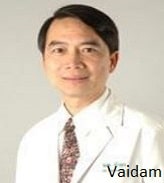
Prof. Dr. Kamthorn Pruksananonda
Professor, 39 years of experience

Infertility

Consultant, 25 years of experience
Reproductive medicine
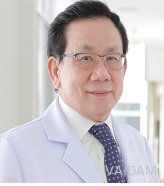
Consultant, 21 years of experience
Microsurgery For Tubal Reversal, Gynaecologic Endoscopy, Laparoscopic Surgery, Hysteroscopic Diagnosis And Surgery, Invitro Oocyte Maturation, As High-Risk Pregnancy, Hypertension In Pregnancy, Hormonal Disorders, Menstruation Problems, Family Planning

Consultant, 38 years of experience
Performing regular exams on women for reproductive health issues, Treat PCOS/PCOD, Endometriosis, Fibroids, Perform normal and C-sec deliveries, Manage high-risk pregnancies, Blood pressure during pregnancy, Hormonal disorders

Senior Consultant, 35 years of experience
Obstetrics and Gynaecology, Gynaecological Oncology.

Consultant, 35 years of experience
Gynaecological Oncology.

Consultant, 39 years of experience
IVF, Artificial insemination, Laparoscopy & hysteroscopy, Laparotomy, IVF pelvic endometriosis, Endoscopic surgery, Surgical correction of myoma uteri

Assistant Prof. Phongthorn Virojchaiwong
Professor, 37 years of experience
Gynecologic Laparoscopic Surgery

Consultant, 18 years of experience
IVF ICSI IUI Donor eggs Gestational carrier Endoscopic surgeries

Director, 43 years of experience
Infertility, Gynecology

Consultant, 35 years of experience
Reproductive medicine

Director, 14 years of experience
PRP for Ovarian Rejuvenation and Endometrial Receptivity, Pre-implantation Genetic Diagnosis
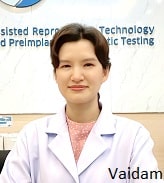
Consultant, 14 years of experience
Fertility Treatment, Laparoscopic and Hysteroscopic Surgery

Consultant, 20 years of experience
Obstetrics and gynecology Laparoscopic gynecology

Consultant, 18 years of experience
General gynecologic, Gynecologic Oncology, Pelvic surgery, Laparoscopy, Hysteroscopy, and minimally invasive surgery

Consultant, 15 years of experience
Reproductive Medicine

Assoc. Prof. Wichai Termrungruanglert
Associate Professor, 37 years of experience
Gynaecologic Oncology
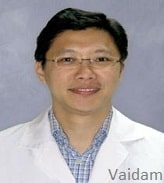
Consultant, 35 years of experience
General Obstetrics & Gynecology Gynecologic Oncology

Consultant, 15 years of experience
High-risk Pregnancy, Gynecological cancer
Consultant, 25 years of experience
High-risk Pregnancy, Gynecological cancer
Plan Travel to Treatment : Under One Roof
Transparent - Professional - Without Hassles

Send your reports and preferences to us

Receive quotation(s) within 48 Hours

Get received by us at destination

Get treated and fly back
Our Services for Hysteroscopy in Thailand
Transparent - Professional - Without Hassles

Book Doctor Appointment

Consult on Video or
in-person at Hospital

Compare Cost Estimates

Hospitalisation Support

Diagnostic laparoscopy may be recommended to look at the outside of the uterus, fallopian tubes, ovaries, and internal pelvic area. Diagnostic hysteroscopy is used to look inside the uterine cavity.
The hysteroscopy cannot be performed during your menstrual cycle. The best time to perform this procedure is within 7 days after your period ends.
Hysteroscopy may improve the odds of clinical pregnancy. Removing polyps and other uterine cavity abnormalities via hysteroscopy in women with unexplained infertility may increase their chances of becoming pregnant.
On the day of your hysteroscopy, If you're having a general anesthetic, you'll need to avoid eating or drinking for a few hours before the procedure.
Hysteroscopy is used to investigate the symptoms of heavy and unusual vaginal bleeding, postmenopausal bleeding, repeated miscarriage and the excess fluid that can be build in your system.
This procvedure is used to investigate some symptoms or problems such as heavy periods, unsual vaginal bleeding, pelvic pain and frequent miscarriage.
The reproductive organs can be seen through hysteroscopy such as uterus, fallopian tubes and the ovaries.
You should not shve or wax any area before hysteroscopy because it increases the risk of infection.
Hysteroscopy is a minimum invasive surgery in which a small telescope is inserted through the cervix of the uterus.
Diagnostic hysteroscopy is being used for diagnosing the problem of the uterus and also used to check the results of other tests such as HSG (hysterosalpingography). This test is an x ray test which is used for checking the uterus and the fallopian tube. This can also be done with some other procedure such as dilation and curettage (D&C).
In operative hysteroscopy the abnormal conditions which has been detected during the diagnostic hysteroscopy are being corrected. If the abnormal condition is detected during diagnostic hysteroscopy and operative hysteroscopy is being done at the same time then there is no need for undergoing second surgery.
Hysteroscopy procedure is very safe as compared with any other type of surgery even though there are some complications it can only occur in less than 1% of cases.
Yes, the polyps can be removed during hysteroscopy, during the procedure the instrument is being inserted through hysteroscope which
Operative hysteroscopy is being used to treat polyps and fibroids, adhesions, septums and abnormal bleeding.
Hysteroocopy is done for the first week after you menstrual period. Doctor will get the best view inside your uterus at this time. This procedure is also been done to determine the cause of an unexplained bleeding or spotting.
Hospital stay is for 1-2 days.
Around 30 minutes.
Local anaesthesia is given for numbing your cervix, if the procedure is long such as fibroids are needed to be removed then it will take longer time. You will be asleep when the procedure is being done.
First a speculum is inserted into your vaginal region and then hysteroscope is inserted gently and it is moved through your cervix into your uterus. CO2 gas or saline is put in the hysteroscope of your uterus for expanding it.
This procedure takes around one to two hours to complete.
Time taken for hysteroscopy surgery ranges from less than five minutes to more than an hour and the length of procedure depends whether it is diagnostic or operative.’
Hysteroscopy is being done by a Gynecologist
First your cervix is being widened to allow the insertion of hysteroscope and then the hysteroscope is being inserted through the vagina and cervix and then finally into your uterus. Carbon dioxide gas or a liquid is being inserted into the uterus for expanding it and to clear the blood and mucous. Hysteroscope light can see your uterus and the openings of the fallopian tube.
May experience cramping and vaginal bleeding for a day or two after the procedure.
You should be able to return to work the following day, but may require more time off work depending on the procedure performed. You may continue to bleed lightly for five to seven days after the procedure.
Most women feel they can return to normal activities, including work the day after having a hysteroscopy
It will take around one to two days to recover from hysteroscopy depending on the amount of pain you are having.
You should try to avoid constipation and straining of the bowel movement.
You may feel pain in your abdomen and mild cramps and light vaginal bleeding. You can also have shoulder pain after the procedure.
Menstrual cycle may be disturbed in some cases and can cause absence of periods. It can only seen in those cases if scarring is seen.
No, there are very less chances that you can get any infection after hysteroscopy. If you develop any infection such as fever, shivering, chills or smelling discharge from vagina then contact your doctor earliest.
Some of the risks of Hysteroscopy are infection, heavy bleeding, injury to uterus, cervix, bowel or bladder, intrauterine scarring and reaction to substance used for expanding uterus.
Usually hospital stay is not recommended after surgery in some cases if the doctor is concerned about your reaction to anesthesia then they will suggest you to stay in hospital after surgery for one night.
Some women feel no or only mild pain during a hysteroscopy, but for others the pain can be severe.
The recovery time after hysteroscopy surgery is of only two to three days.
 Get FREE Evaluation Treatment plan and quote within 2 days





NABH Certified Healthcare Discovery Platform
Vaidam is NABH certified healthcare discovery platform that will connect you to top-notch medical experts, hospitals, wellness options, and trusted travel partners to help identify and make the right healthcare choices.

Researched & Personalized Treatment Plan - Under One Roof
You can search for the best hospitals, read about them, view photographs of the facilities at the hospitals and the places at which the hospitals are located, and check the cost of treatment.

Quality Treatment Within Your Budget
As soon as you post an enquiry, the patient relation team will collect details from you, share them with the doctors and hospitals on Vaidam's panel, and get a personalized treatment plan. We research to get quality treatment within your budget.

Treatment to Travel
Vaidam concierge assists patients, to get medical Visa, the best airline fares and arrangements for your stay. Our concierge also helps you with daily travel, language, and food concerns. Vaidam does everything to be your perfect host. All of Vaidam’s services are free of cost to patients.

International Reach
Vaidam Health has network in 15+ countries, which includes India, Turkey, UAE, Germany, South Korea, Thailand, Malaysia, Spain.
Note: Vaidam Health does not provide medical advice, diagnosis or treatment. The services and information offered on www.vaidam.com are intended solely for informational purposes and cannot replace the professional consultation or treatment by a physician. Vaidam Health discourages copying, cloning of its webpages and its content and it will follow the legal procedures to protect its intellectual property